5 Reasons Why You Should Hike the Pacific Crest Trail

For many years, the Pacific Crest Trail was my ultimate goal as a hiker. It's fair to say it lived on my bucket list and, in my mind, represented one of the greatest outdoor challenges imaginable. Not only does it take around five months to complete, but it also traverses vast remote wilderness, features prominently in countless hiker memoirs, and has been idealized by hiking thought leaders. It's also home to a strong ultralight hiking culture of which I consider myself a fanboy.
In 2016, I decided to give it a shot and submitted my permit application. I ended up hiking the full PCT in 2017, and it remains one of the greatest adventures of my life.
Preparation
“How do you prepare for a hike like that?”
I've been asked that question thousands of times. The truth is: there's only so much you can prepare. Aside from handling official paperwork - like securing your long-distance permit - most lessons are learned on the trail itself.
The person who starts the hike is not the same person who finishes it. I've seen this transformation again and again. It's impossible to fully prepare for what awaits. That said, I do have a few tips.
Before my hike, I consumed almost every piece of PCT content I could find. I read books, watched documentaries, and followed hikers online. At times, I almost felt like I had already hiked the trail - though reality, of course, turned out very different from my expectations.

Books
My most recommended read is Hikertrash by Erin Miller. The book is written in diary form and chronicles her PCT experience day by day. Reading it feels like being pulled along beside her - her language is plain, direct, and emotional, capturing the raw “hikertrash” spirit of trail life. I filled pages with notes about places I wanted to see for myself while reading about Erin's thruhike.
Another great read is Dancing with Marmots by George Spearing. George hikes the PCT with no prior long-distance hiking experience and documents the journey with honesty and humor. The book has an old-school feel - in 2005 the PCT was less crowded and far more rugged.
Both books reference countless wilderness areas and national parks. To better visualize them, I recommend keeping the official Pacific Crest Trail guidebook nearby. It offers descriptions and imagery of every section, helping you imagine what each stretch of trail might look and feel like.
YouTube
I'll admit that I completely devoured PCT content on YouTube - and there's a lot of it. Many hikers create post-trail documentaries, each with their own style and perspective. If I had to recommend just one creator, it would be John Zahorian. He's the real deal: humble, reflective, and deeply authentic. Sit back with a cup of tea and join him on his PCT adventure - you won't regret it.
Why Should You Hike the PCT?
1. Disconnect yourself
Hiking for five to six months requires disconnecting from your normal life. For most people, that means making major plans around housing, work, and relationships back home. The feeling of disconnecting is both frightening and liberating - it almost feels like being given a chance to start over. This sense of reinvention is reinforced when you adopt a trail name, which often becomes your primary identity on the trail. In a more practical sense, you're far removed from emails, social media, and everyday distractions.
When I returned, people often asked if I had “figured it all out” while hiking. Truth be told, most days I simply walked and enjoyed the scenery. One unexpected benefit of disconnecting was the return of patience. I let thoughts linger instead of rushing them. I listened more attentively to fellow hikers. Not because I became a “better” version of myself - but because I realized how distracted my everyday life had been.
2. Embrace friendship
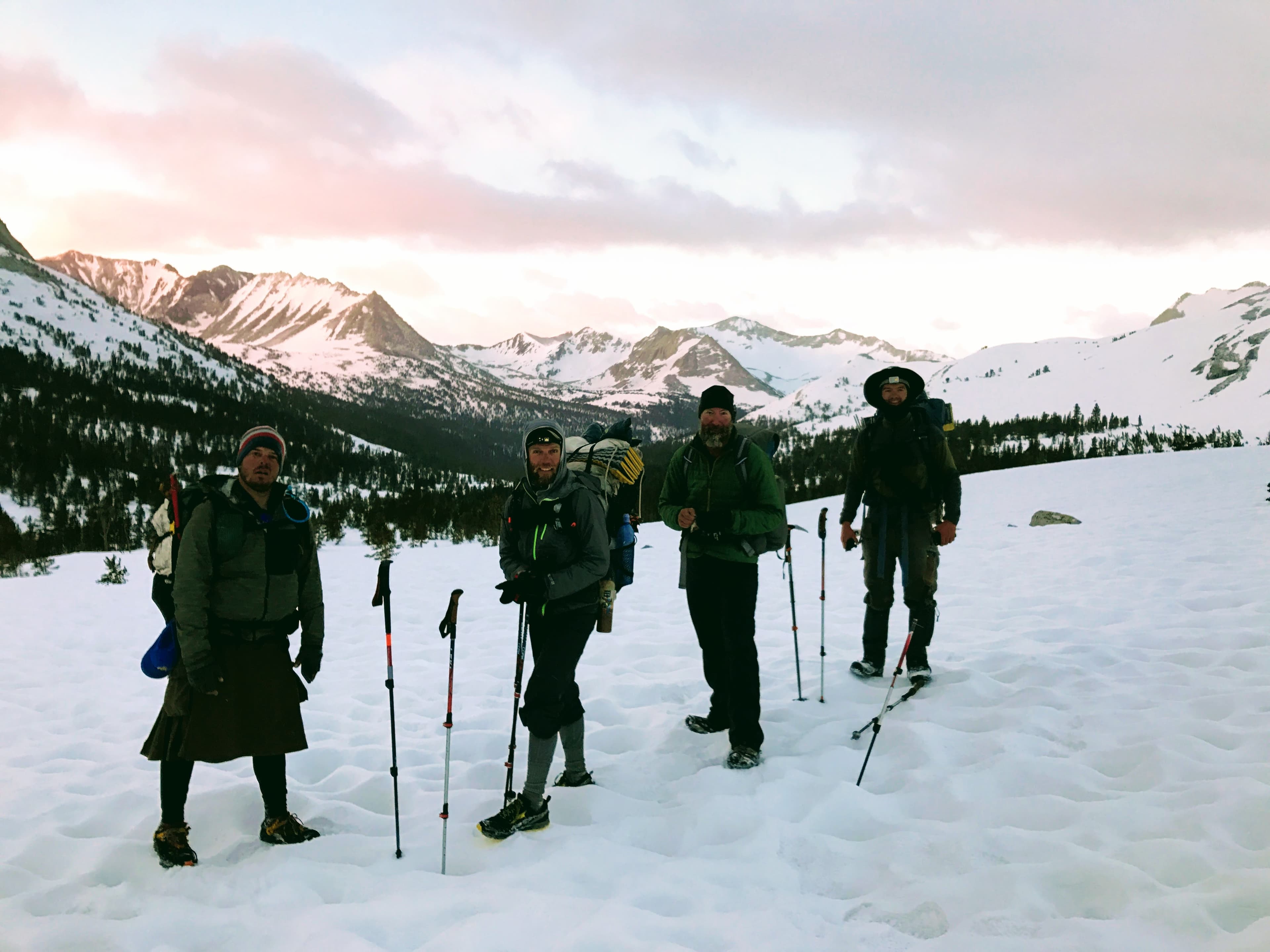
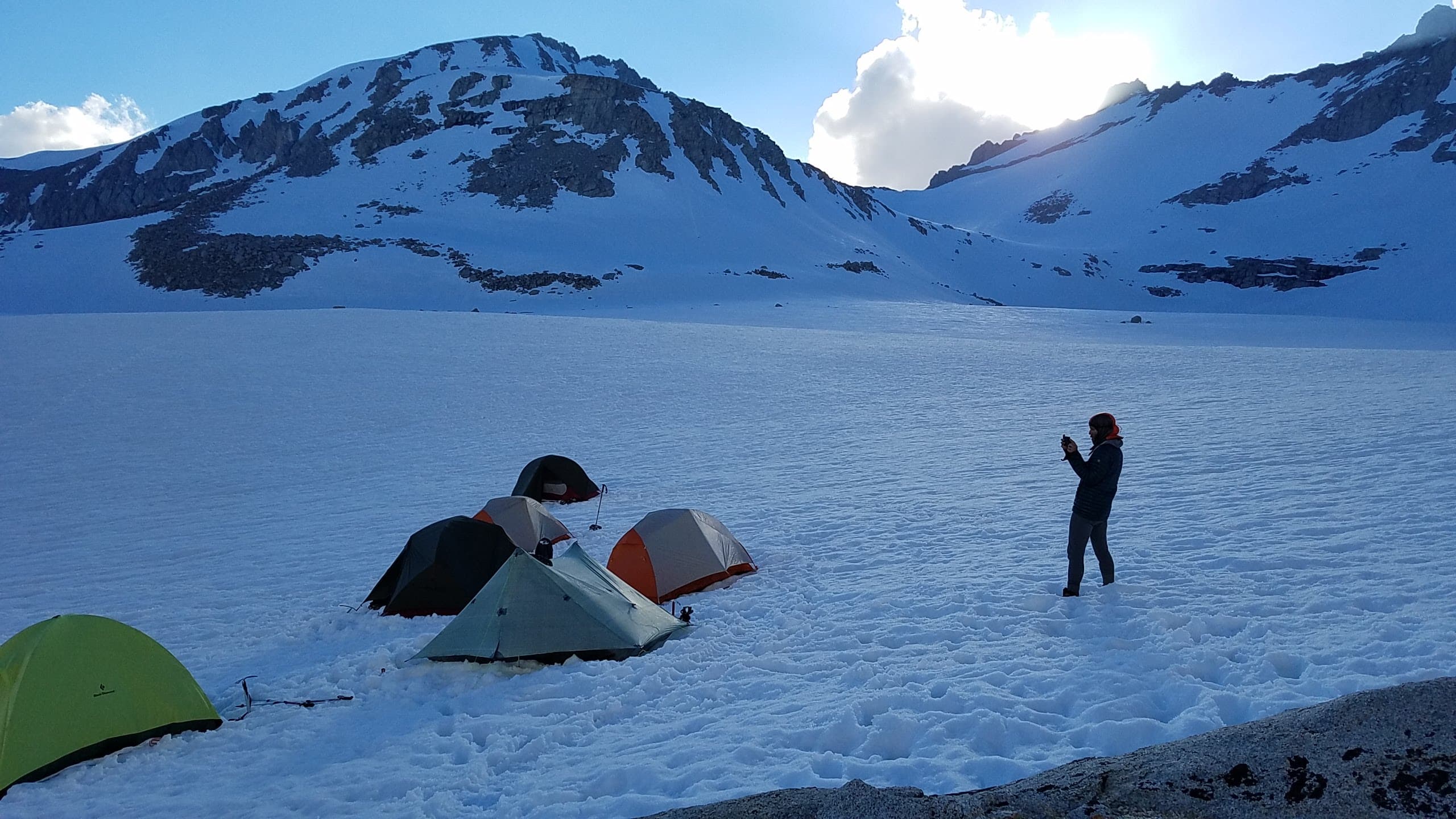
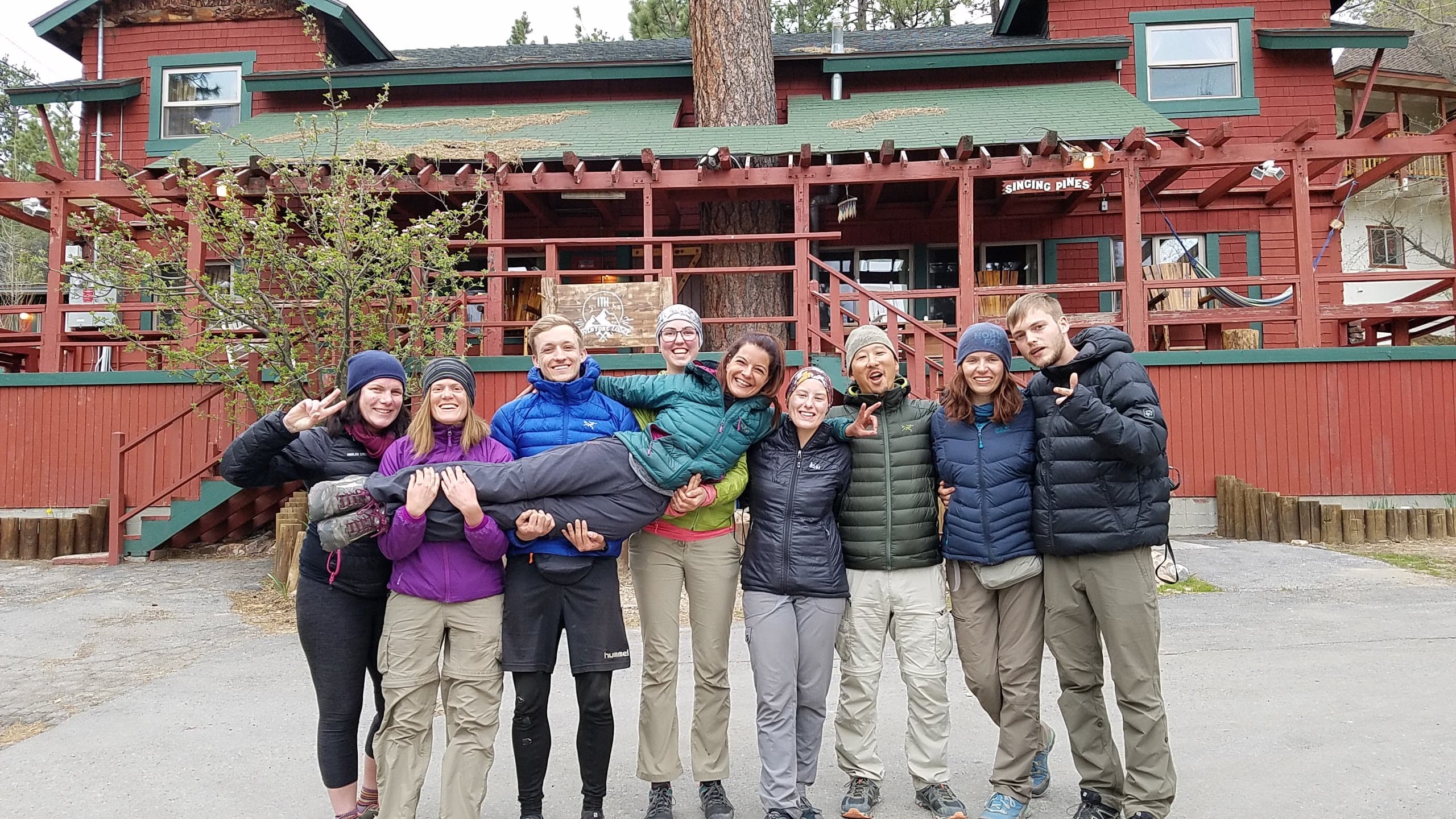
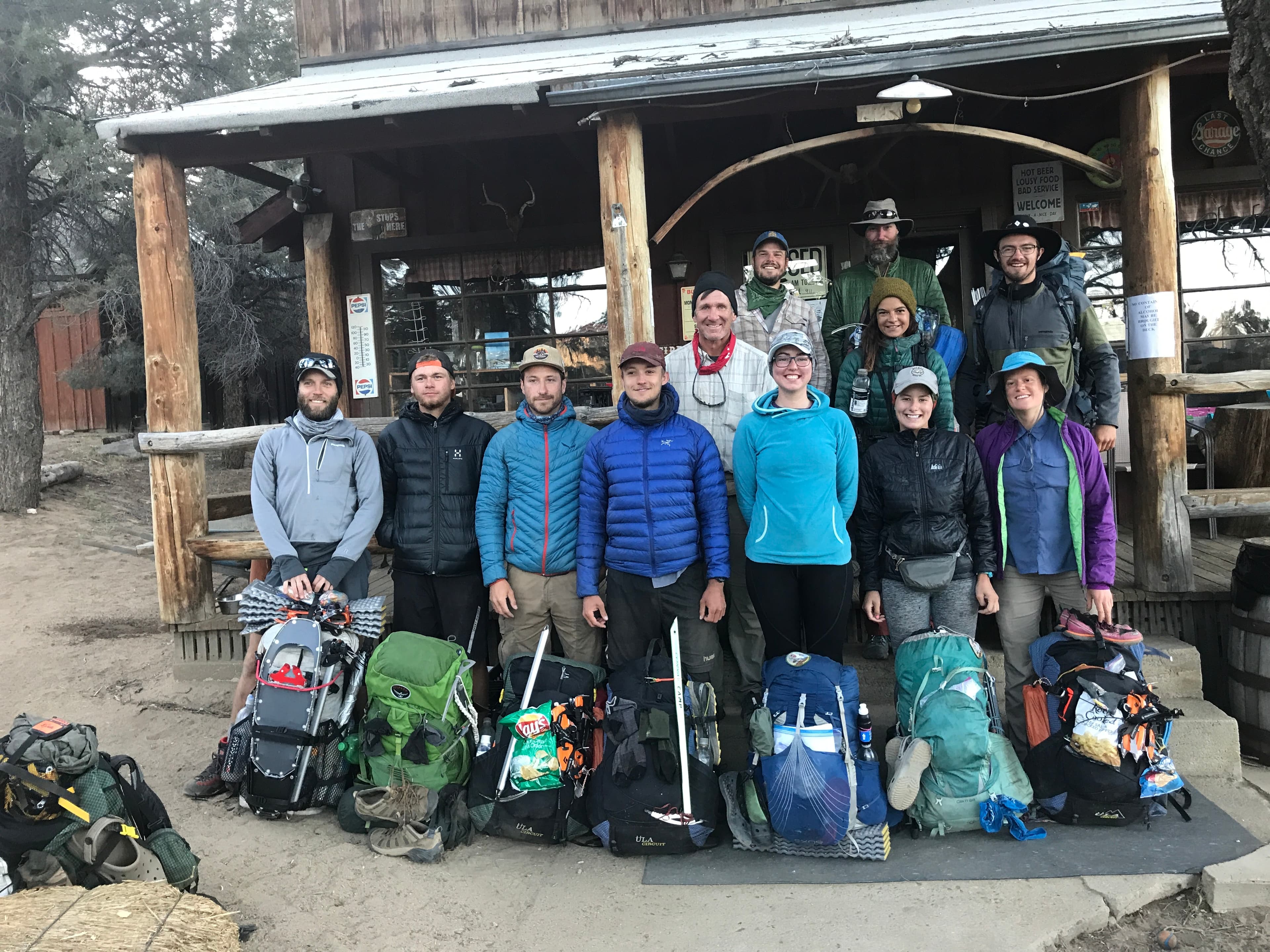
One of the most powerful aspects of the PCT is the friendships formed along the way - cliché as it sounds. You meet people from all over the world, each carrying their own story, motivation, and struggle. On day one, you're strangers. Within weeks, you're sharing meals, tents, fears, and triumphs. For our hike in 2017 which was a big snow year, the traversal of the Sierra mountains in California was nothing short of a great adventure - reading maps, sudying weaher forecast and getting snow gear practice filled our days. When faced with challenges of that dimension you naturally form strong bonds with the people around you.
Trail friendships form quickly because life on the trail is stripped down to its essentials. There's honesty in the simplicity - no job titles, no social status, no facades. You celebrate milestones together: first 100 miles, first Sierra pass, reaching Oregon, entering Washington. You also support each other through injuries, homesickness, and doubt.
3. Dive deep in appreciation
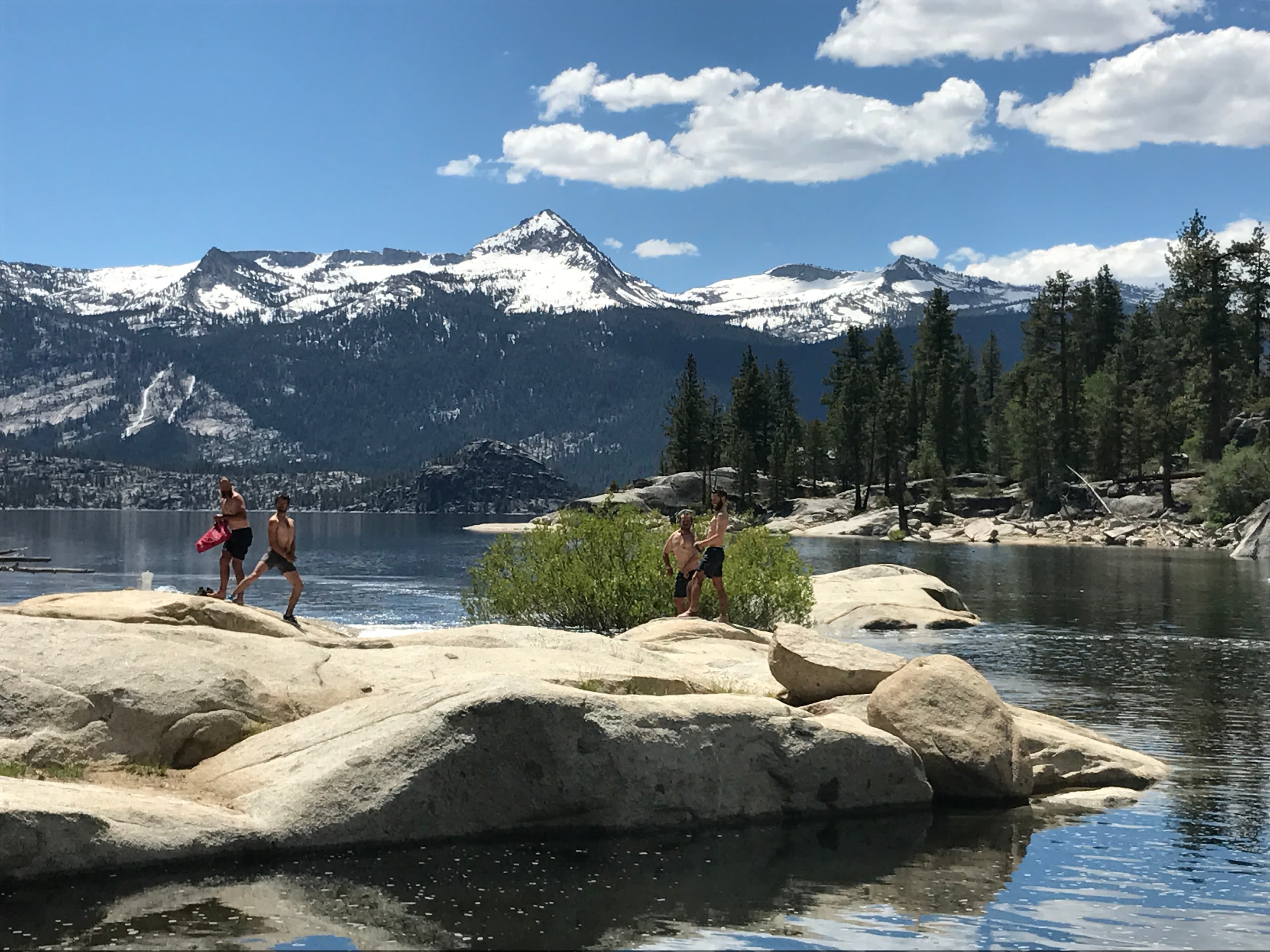
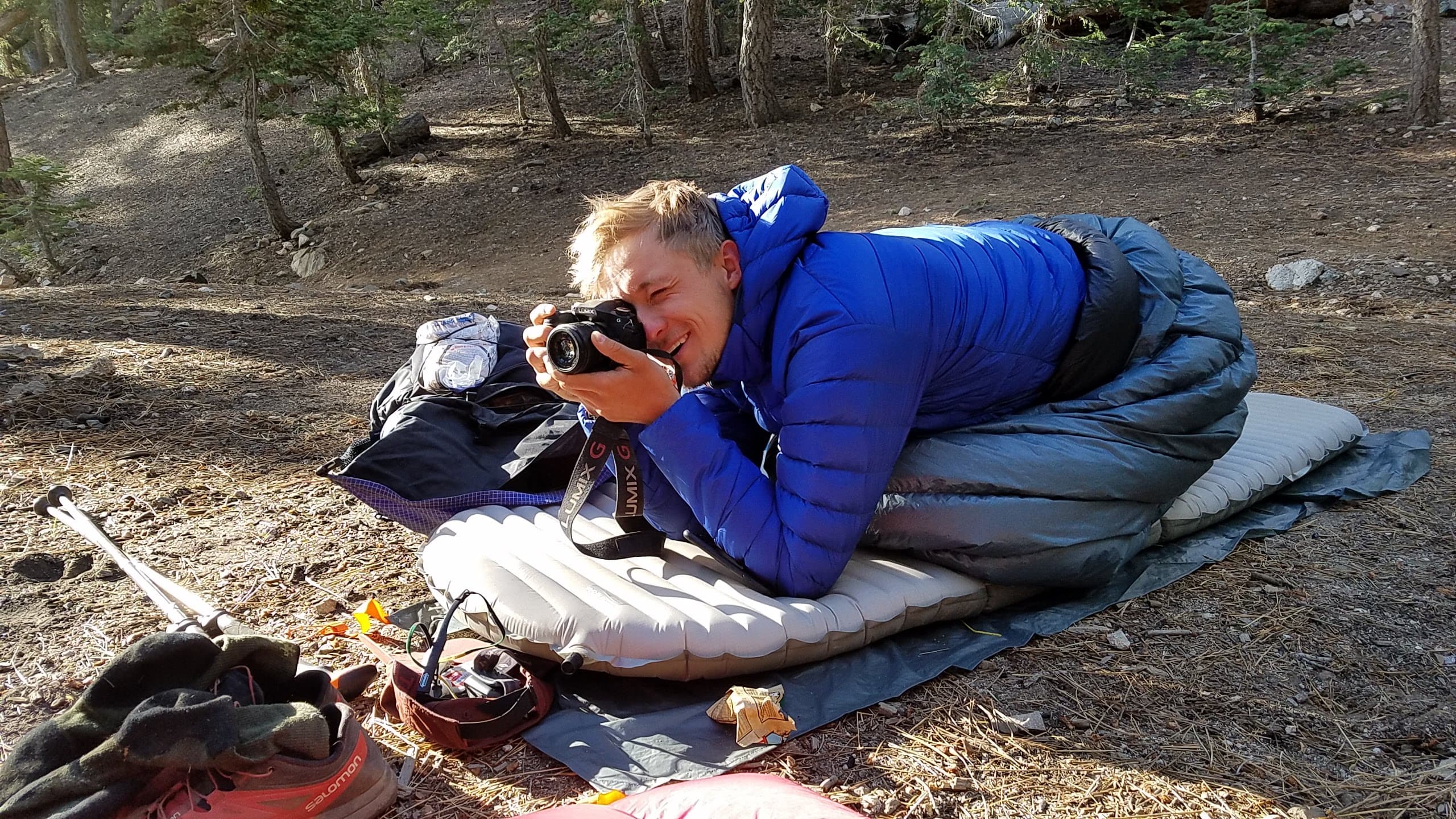
Life is actually quite simple. Do great things with great people. A cup of coffee in an early morning sunrise. Going to be bed physically worn out after a day of physical challenges. On the PCT you will get all of that - in some way it is like the life on the PCT recalibrates your sense of appreciation.

4. Your greatest achievement
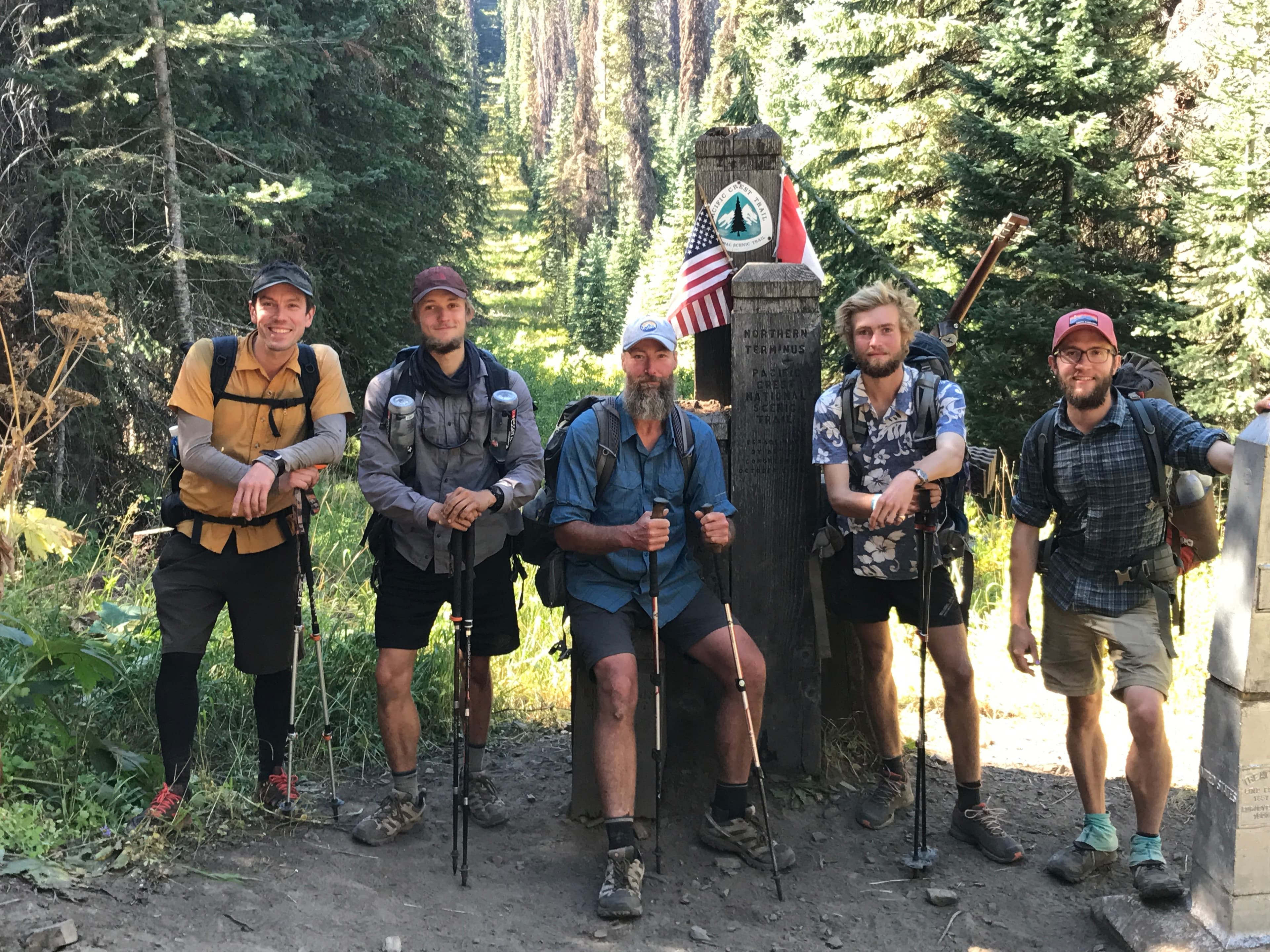
Completing the PCT is one of the most profound achievements a hiker can experience. It's not just the physical distance - over 4,200 kilometers - but the sustained resilience required day after day. You hike through blistering desert heat, snow-covered mountain passes, wildfire closures, injury scares, and mental fatigue. There will be moments when quitting feels logical - tempting, even. Reaching the northern terminus isn't just about endurance; it's proof of perseverance. You've committed to something immense and seen it through. That sense of achievement stays with you. It reshapes how you view future challenges - on and off the trail.
5. Deeper understanding of nature preservation
Spending five months immersed in wilderness fundamentally changes how you view nature. You witness fragile ecosystems up close: melting snowfields, wildfire burn zones, drought-stricken water sources. You see both the beauty and the vulnerability of these landscapes. Many hikers return with a stronger conservation ethic - becoming advocates for Leave No Trace principles, public land protection, and sustainable outdoor practices. The PCT doesn't just show you nature - it makes you feel responsible for it. Protecting these wild places becomes personal, because you've lived in them, depended on them, and been transformed by them.
Would I hike the PCT again?
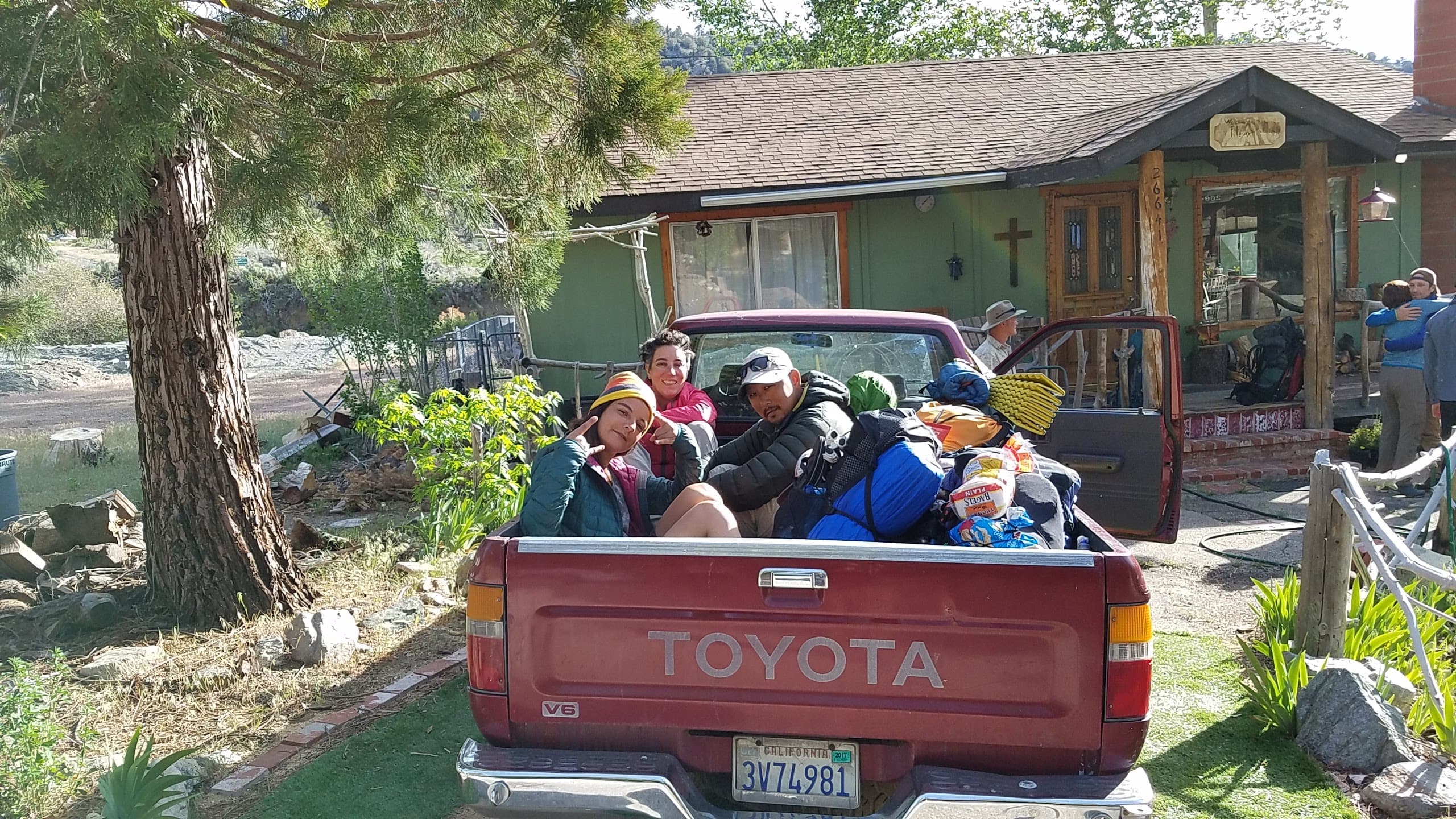
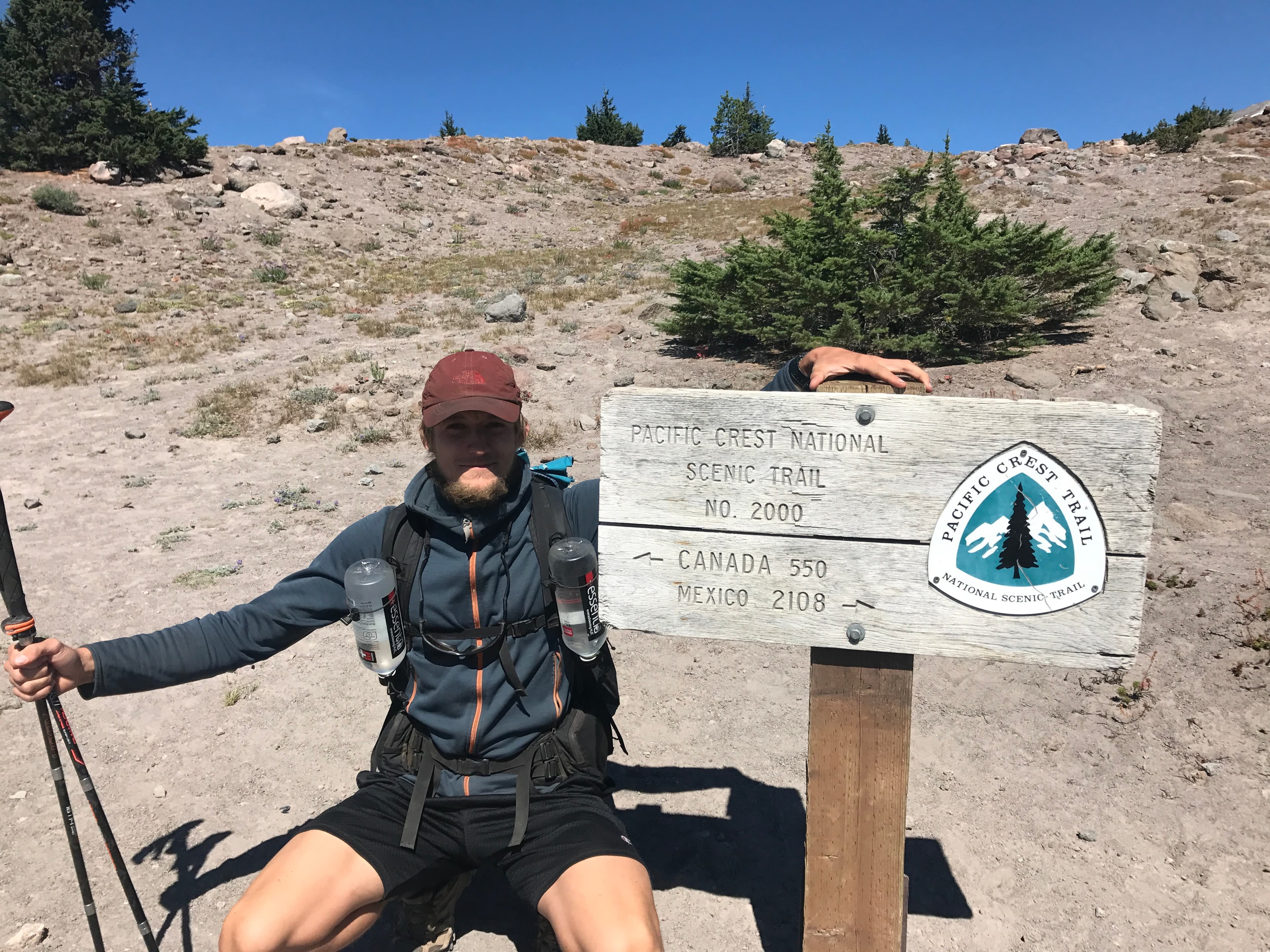
Yes! Hiking the Pacific Crest Trail is far more than a long walk. It's a reset, a teacher, and an amplifier of everything that matters: connection, simplicity, resilience. Upon returning from my hike I started to realize that hiking the PCT had been like living in a perfect little bubble for quite some time - a bubble in the sense that you encounter people with similar hopes and dreams, get to do what you love doing and adopt a new identity with your trail name and trail lingo (this is a great short read). It's a bubble that I would gladly enter again and hike the PCT one more time, but my life needs to allow for such a disconnect. Hiking is not everything, but it is a great way to experience yourself in a completely different way.