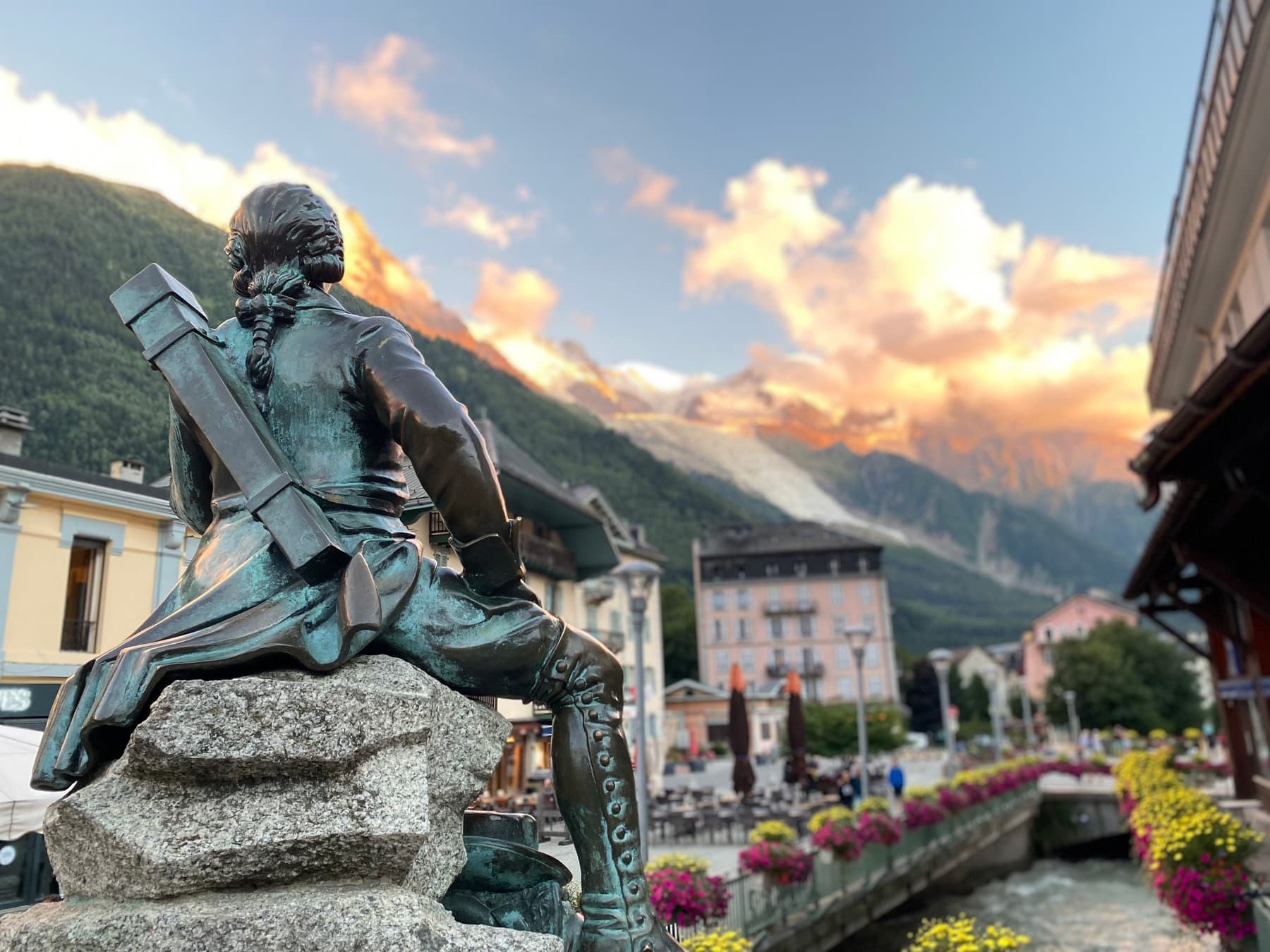
Tour du Mont Blanc (reverse)
Edit Feb 2026: My friends Ian and Emily - from TMBTENT - have condensed all their knowledge and experience into the ultimate planning tool for TMB. I encourage you to check it out if you are currently planning your TMB trip.
The year before we had walked the Tour du Mont Blanc the classic way: from Chamonix towards Courmayeur, counter-clockwise around the massif. This time we wanted to try something new - we went reverse, clockwise. Same mountains, same circuit of roughly 170 kilometres through France, Italy and Switzerland, but the flow of the trail and the rhythm of the days felt entirely different. One of the great strengths of the TMB is its flexibility: you can start anywhere, choose alternates, and go in either direction. Going reverse gave us a quieter, more solitary experience - and two of the best alternates on the route.
Why reverse?
Most people hike the TMB counter-clockwise. If you go clockwise, you are walking against the main stream. The benefit is that after midday you are largely alone on the trail; the masses have already passed you in the other direction. You get long stretches of path to yourselves, empty cols and a real sense of being alone in the wild. The drawback is that few people hike in your direction, so you miss out on a lot of the social side - the constant encounters, the shared rest stops, the "where are you heading?" conversations. We knew that and were fine with it. We had each other, and the trade-off - solitude and an unspoiled feel - was exactly what we were after.
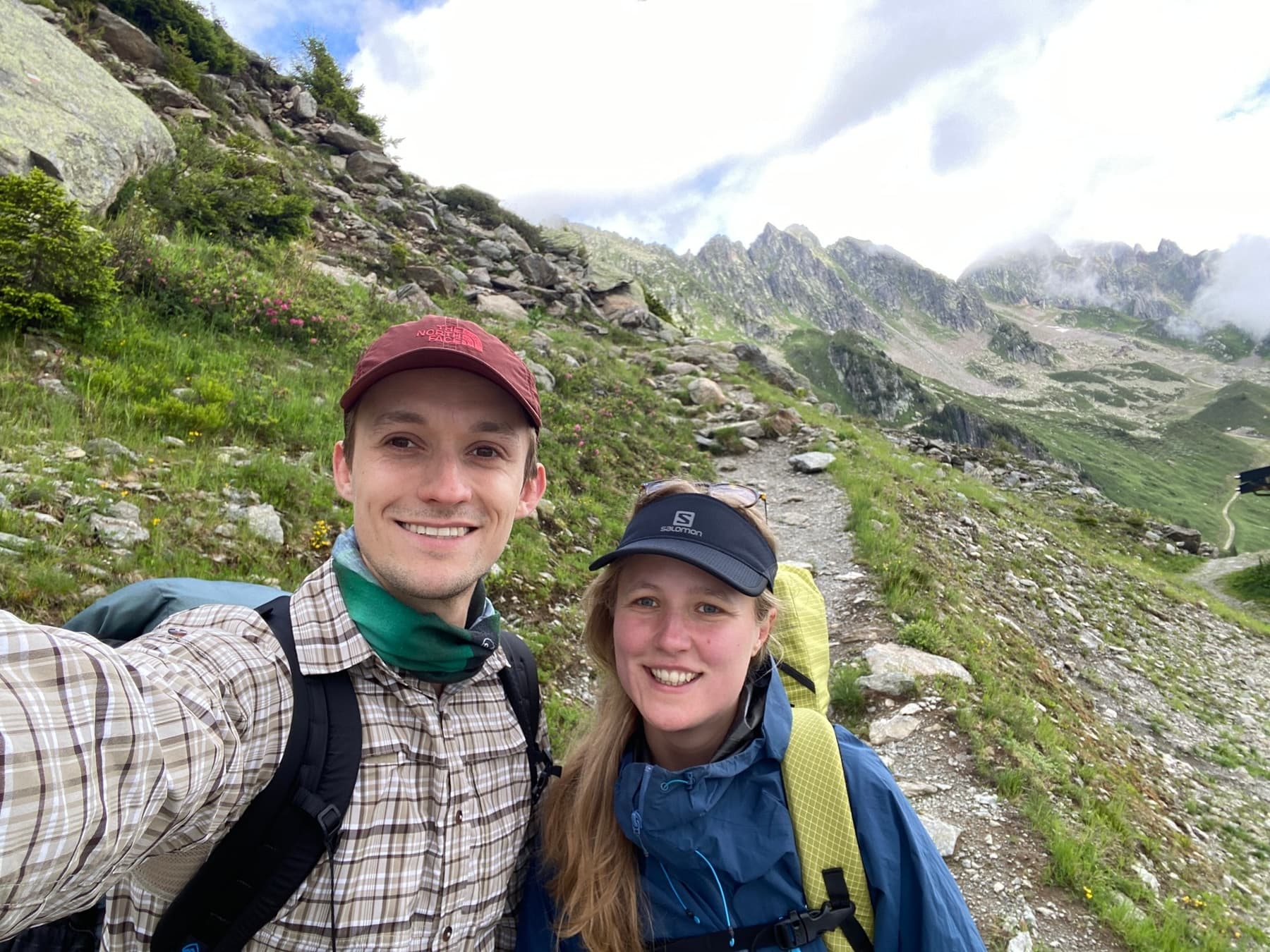
Chamonix to Tré-le-Champ and Le Peuty
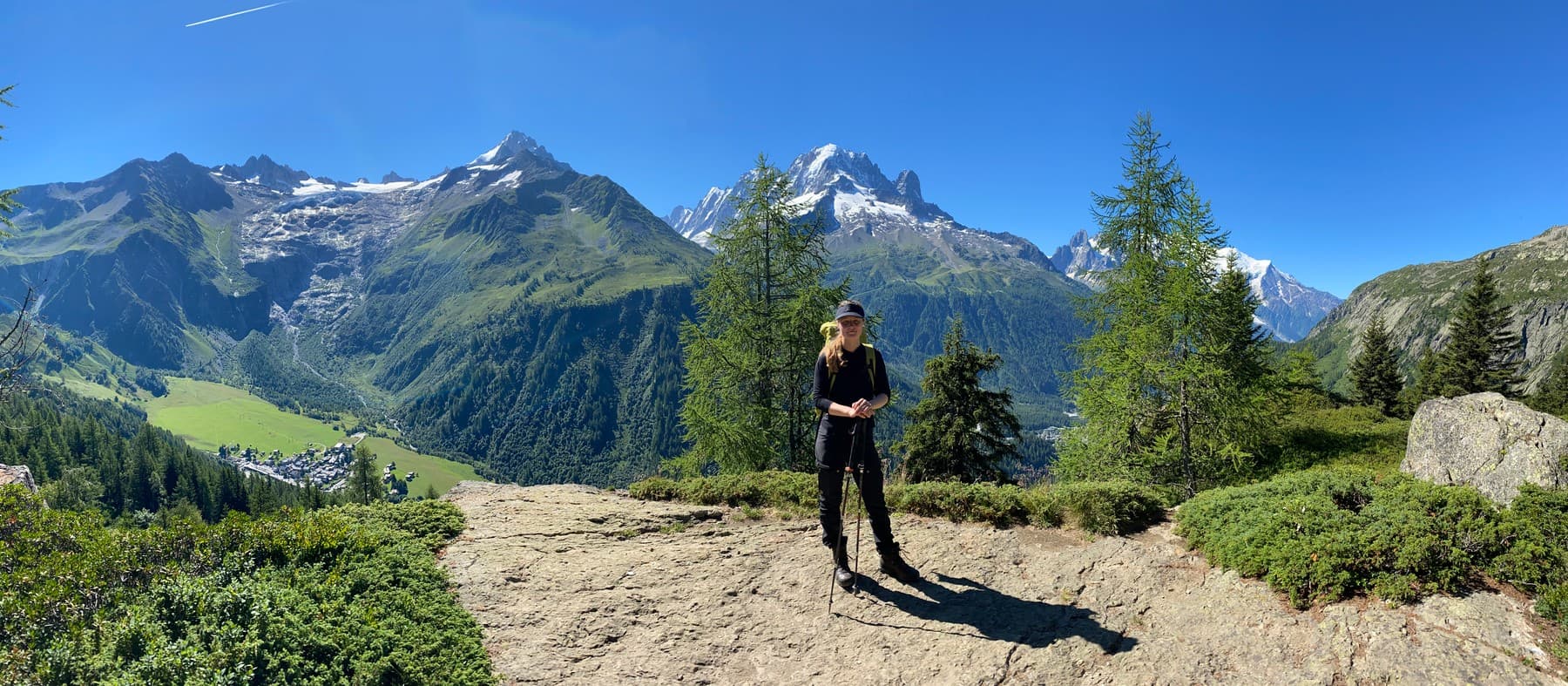
We started in Chamonix and made our way to Tré-le-Champ and Le Peuty in the first stages. The Mont Blanc massif was with us from the start - the views from the Grand Balcon set the tone for the rest of the trip. Even when you have seen these valleys before, the light and the scale of the mountains never get old.
Fenêtre d'Arpette and Champex-Lac
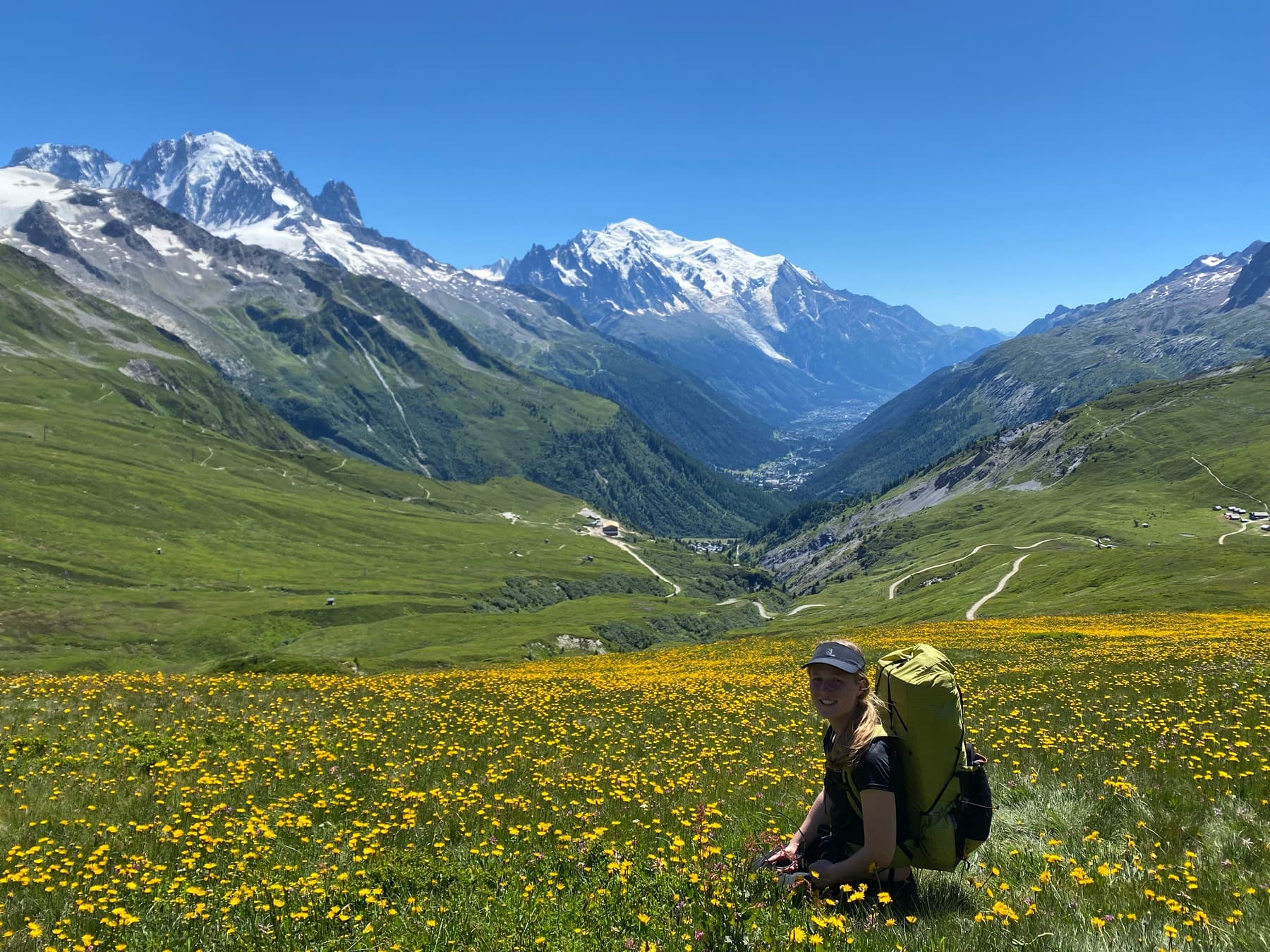
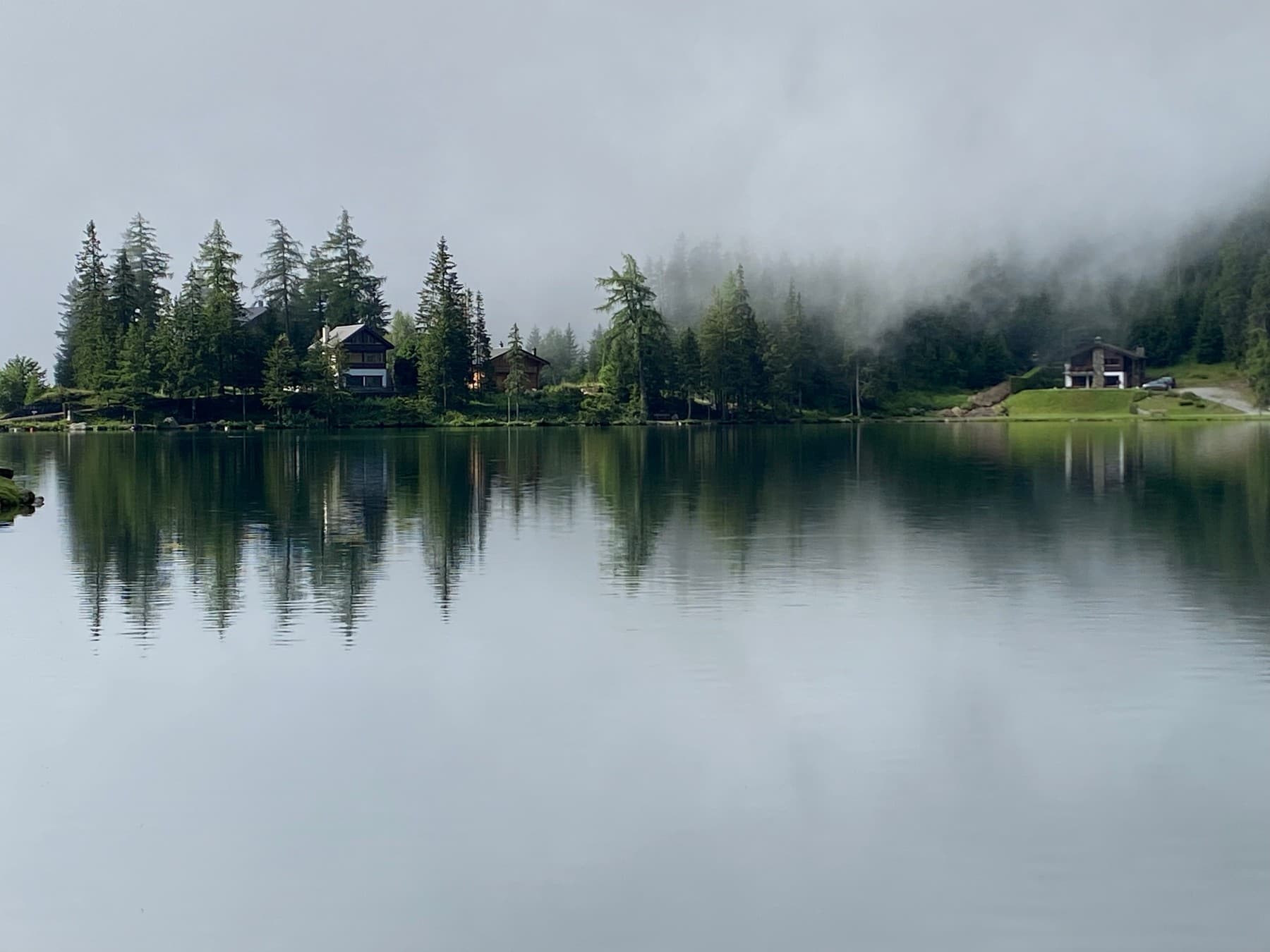
We had decided to take the Fenêtre d'Arpette alternate. It is one of the tougher variants on the TMB: a lot of climbing, rough ground and big views. The effort is worth it - the pass feels raw and high, and you drop down towards Switzerland with a real sense of having earned the descent. From there we continued to Champex-Lac. We had been looking forward to a dip in the lake for days - the water is crystal clear and, after a long day, incredibly inviting. We made time to swim and relax by the shore. Champex-Lac is one of those spots that feels like a reward.
La Fouly and Gîte de la Léchère
We chose to stay just outside La Fouly at Gîte de la Léchère. It was intimate, cozy and a great way to get to know a few other hikers without the bustle of a big refuge. The atmosphere was warm and low-key - shared dinner, a drink, and real conversations. I managed to have some lengthy chats in my terribly broken French; the other guests were patient and kind. If you are walking the TMB and want a place that feels like a proper mountain gîte rather than a factory stop, La Léchère is a big recommendation.
Refugio Bonatti and Courmayeur
We were lucky that Refugio Bonatti could fit us in. The refuge sits in a stunning spot in the Italian Val Ferret, and the evening there was one of the highlights of the trip. We met a group of Danes, played board games, ate great food and had Aperol Spritz as the light faded. It was exactly the kind of shared, easy evening that makes the TMB special.
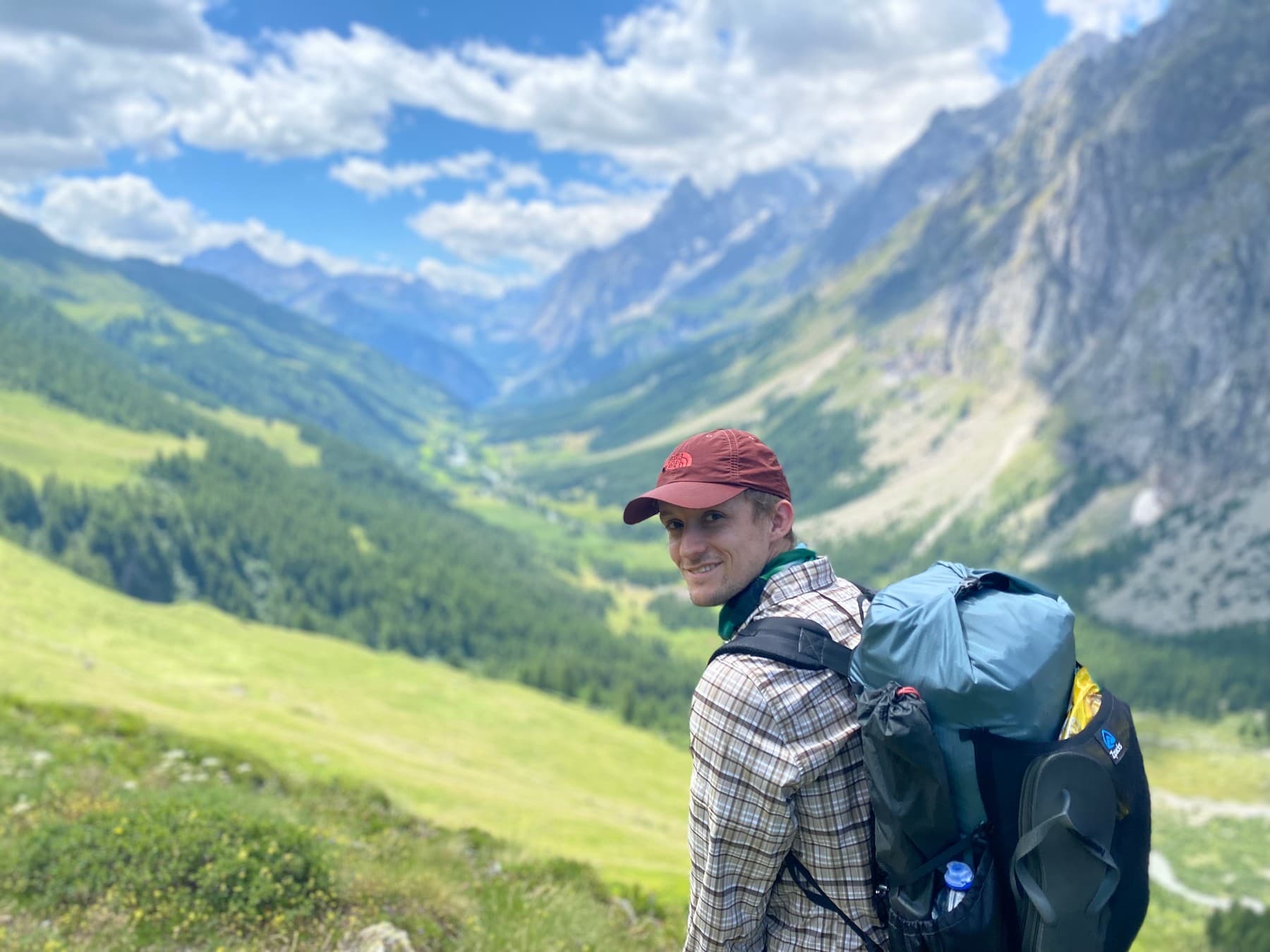
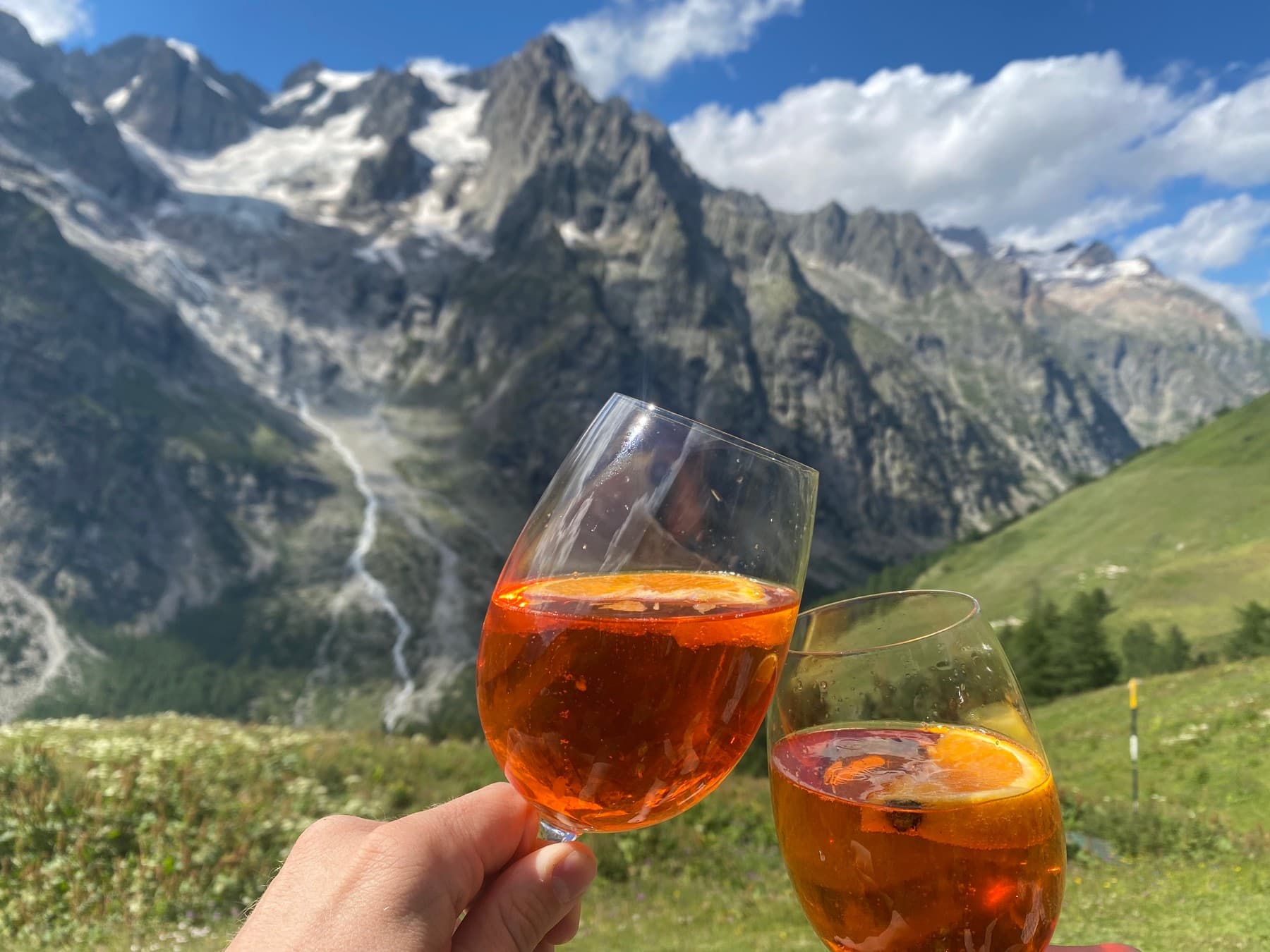
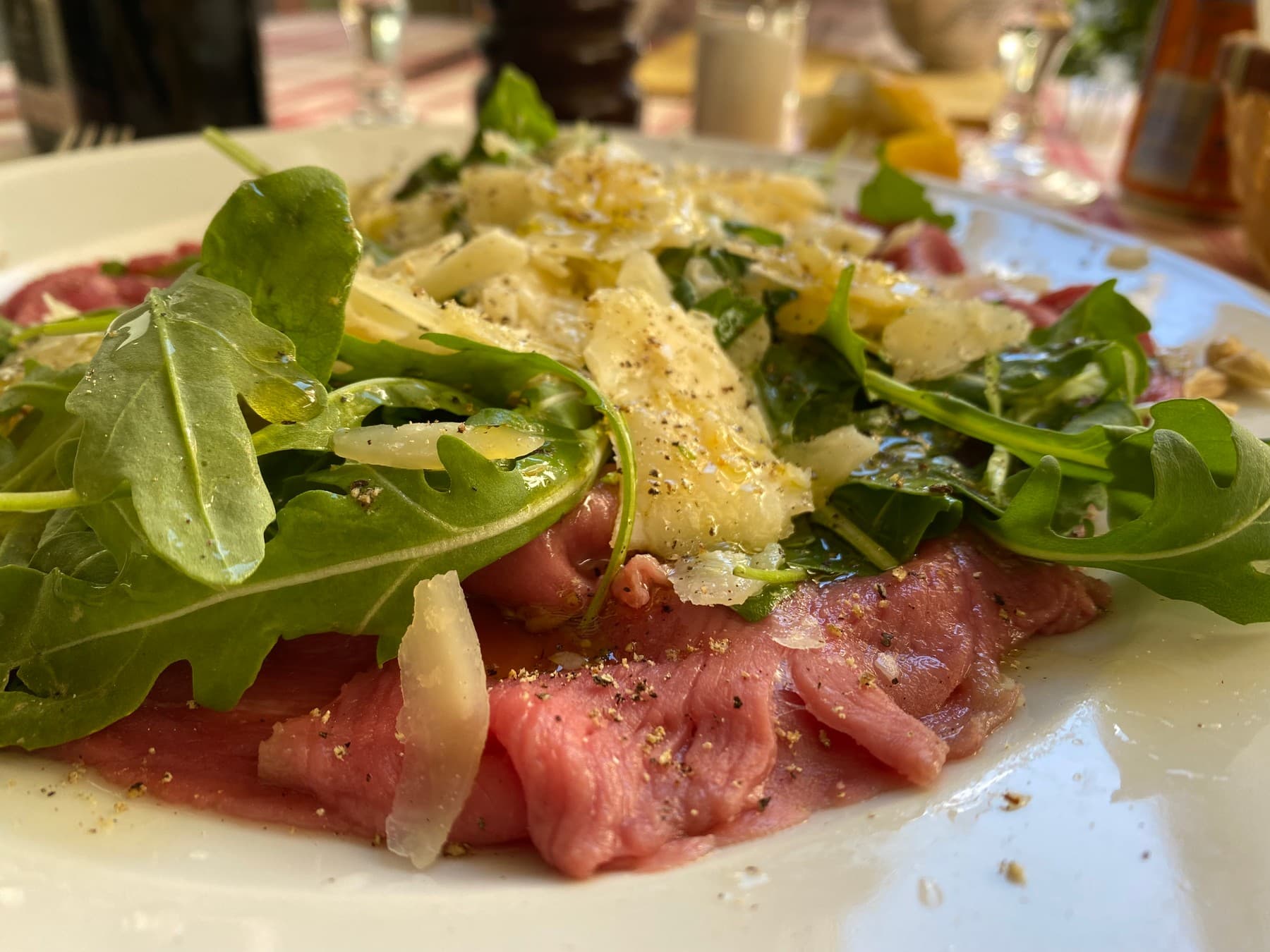
The next day we walked down to Courmayeur for a rest day. We stacked up on pizza, ice cream and Italian delicacies. Courmayeur is the perfect place for a zero day: good food, a lively town and the massif right above you. We relaxed, ate too much and got ready for the next stretch.
Refuge de Mottets - the spooky night
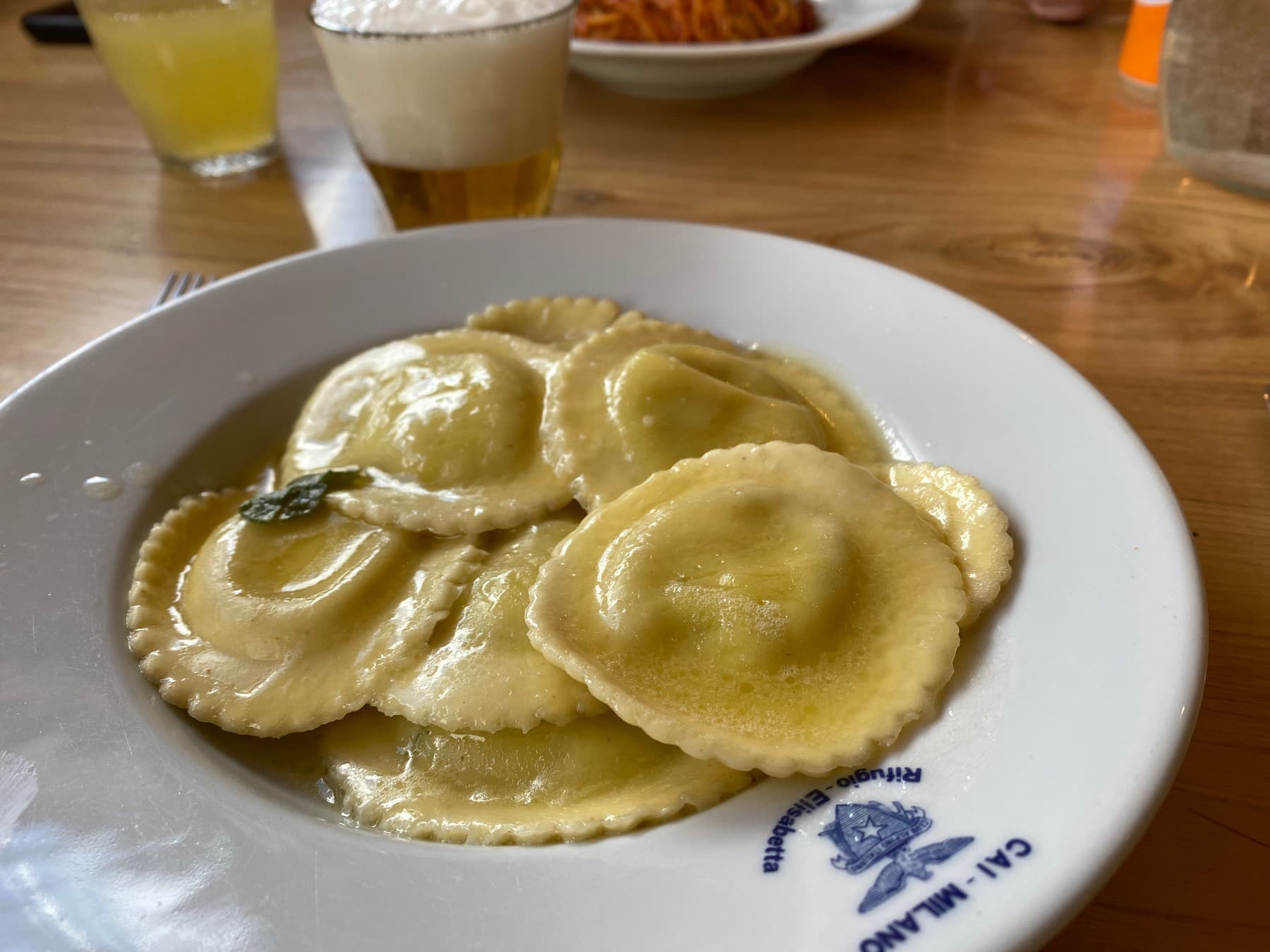
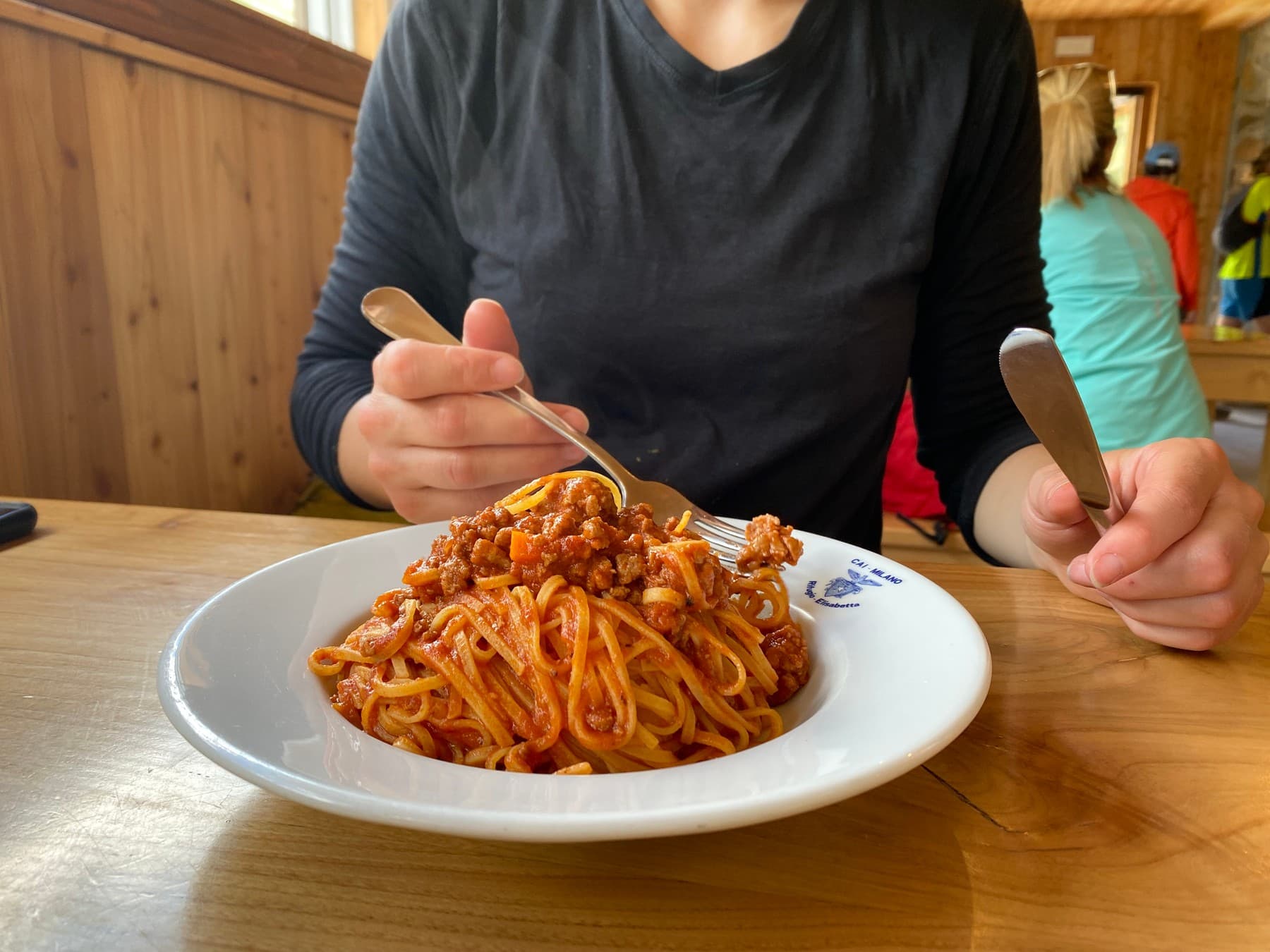
The stage to Refuge de Mottets was hard and long. On the way we stopped at Refugio Elisabetta for a meal - simple, satisfying pasta that hit the spot before the final push. We arrived at Mottets tired and were put up in a barn-like building next to the main refuge. It was OK - basic, functional - but the place had a certain atmosphere. We joked that it felt a bit haunted. Call it the fatigue, the creaking wood or the sheer age of the building; either way, it was a memorable and slightly spooky night. We slept well anyway.
Col du Fours and on to Les Contamines
The next day we took the Col du Fours alternate. It was one of my favourite parts of the whole trip - raw, pure and hard. The route is more demanding than the standard variant, and the landscape feels untouched. You climb high, cross a wild col and drop into the next valley with a real sense of having been somewhere few people go. If you are fit and the weather is good, Col du Fours is not to be missed.
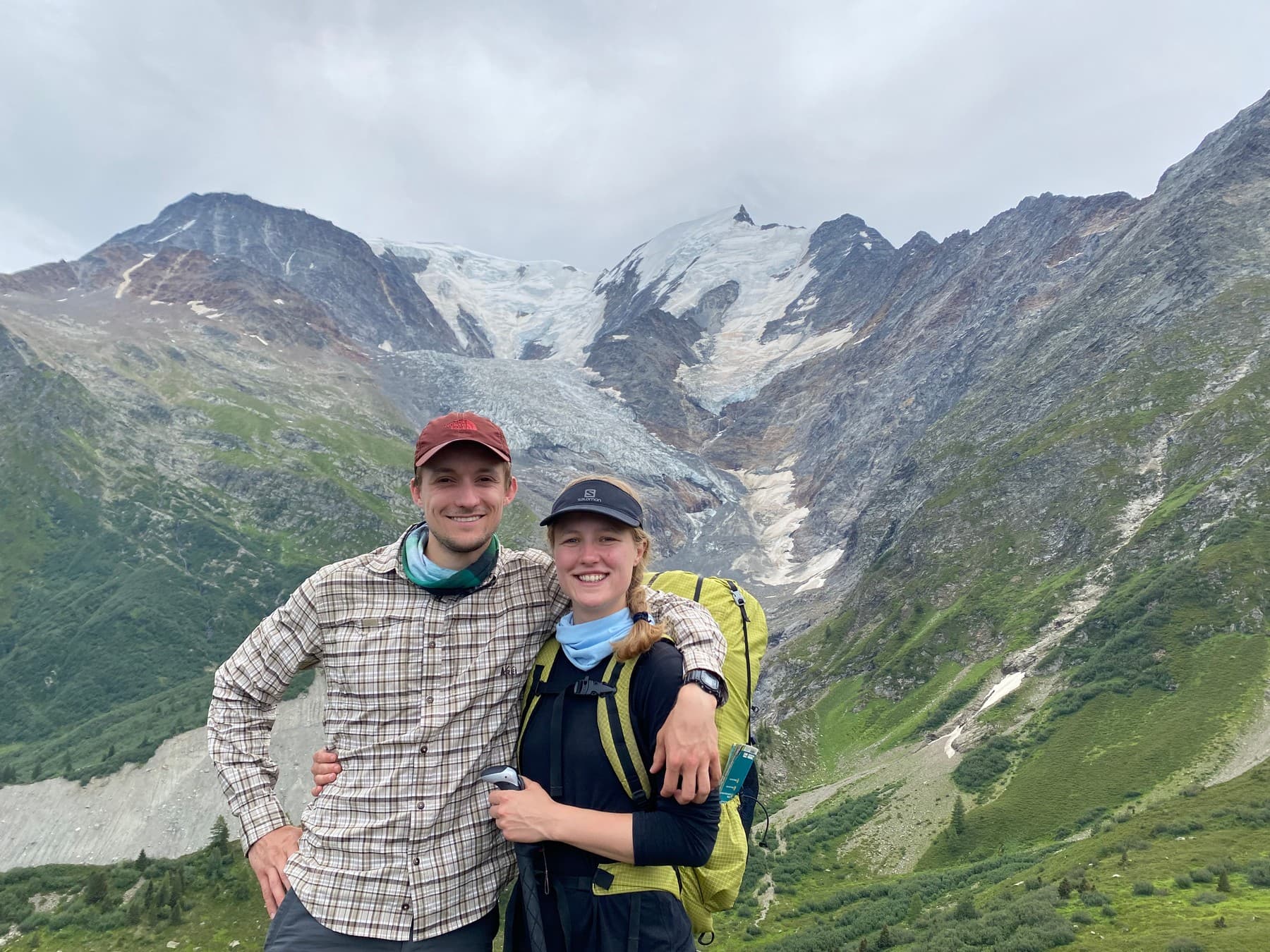
From there we continued towards Les Contamines and stayed at the same campground we had used the previous year. On the stage towards Les Houches we decided to try the Col de Tricot variant. It was great - lots of elevation gain and some lush mountain valleys with cute refuges and grazing sheep. The trail brought us back towards the Chamonix side with the Glacier de Bionnassay in view - a last big mountain scene before the end of the loop.
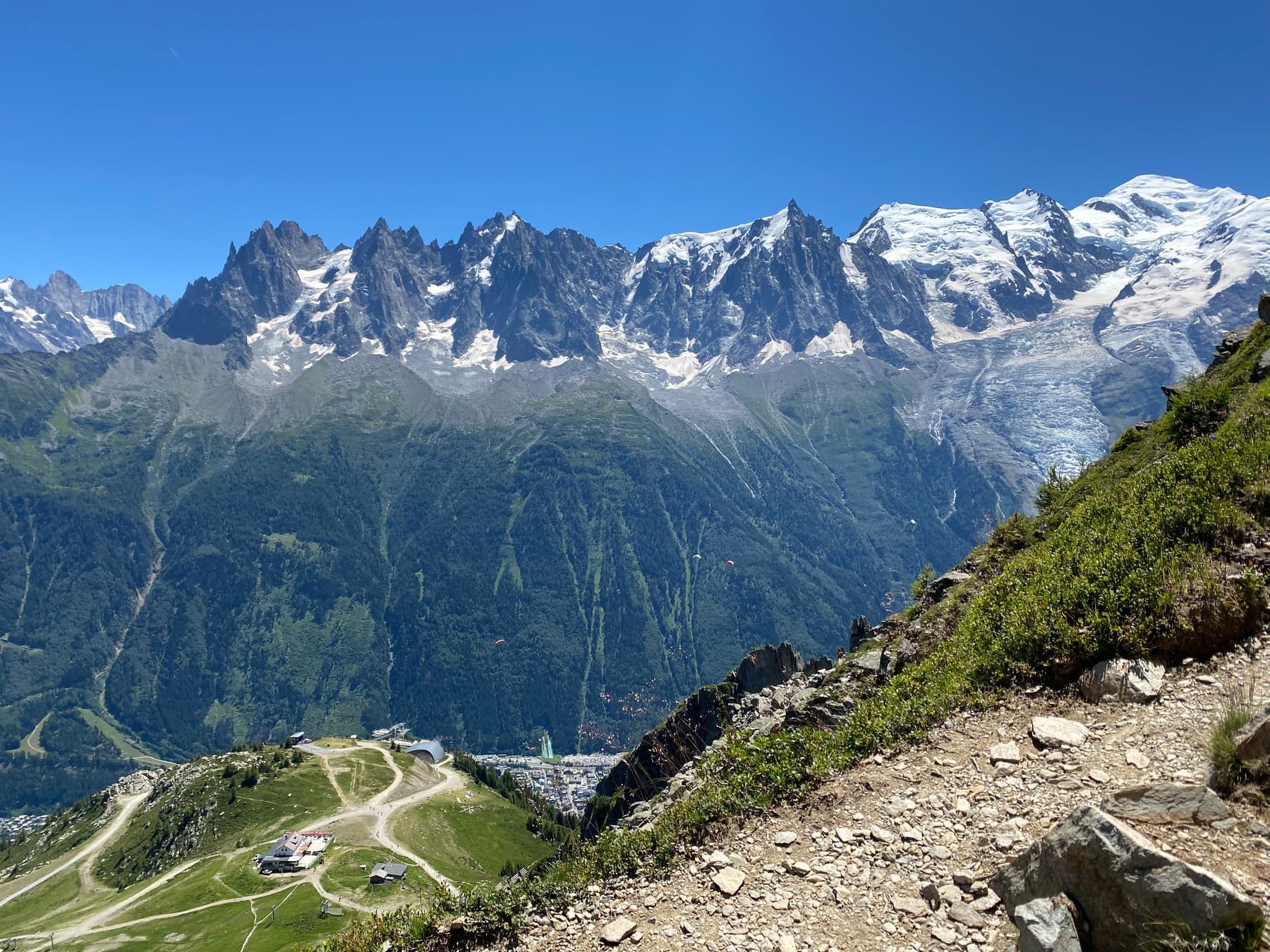
After staying at Les Houches we started the last stage towards Chamonix. The climb towards Col du Brévent gave us the most amazing views of the massif - paragliders in the air, the whole range laid out in front of us. It turned out to be the biggest climb of our trip, but it was totally worth it. From the top we took the cable car down to Chamonix and finally closed our loop. Same place we had started, different direction, and a quiet satisfaction at having done the TMB both ways.
Wildlife and the small moments
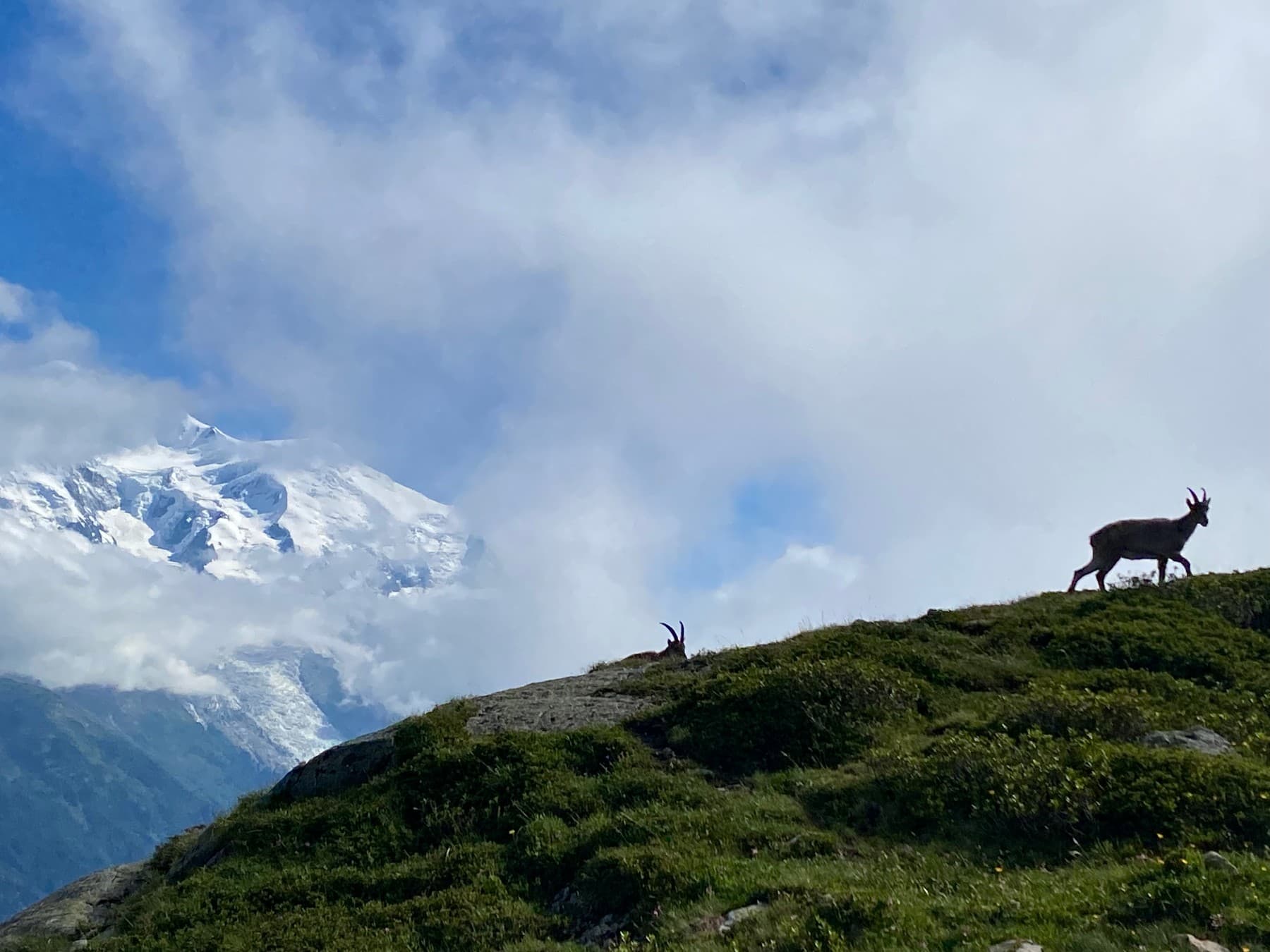
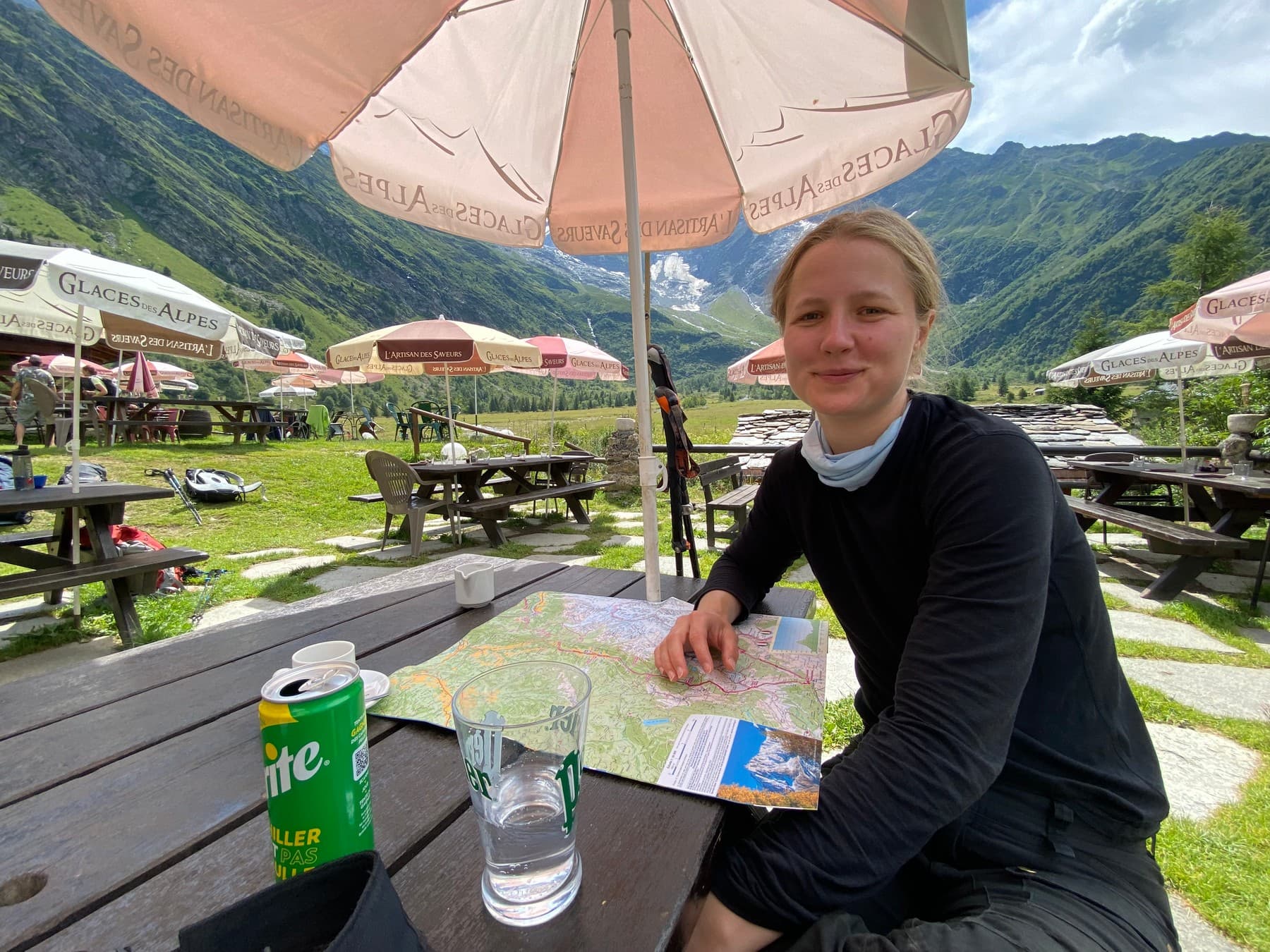
The reverse direction gave us long stretches of trail to ourselves. We saw ibex, had cols to ourselves and could stop whenever we wanted without a train of hikers behind us. Those small moments - a break in the sun, a view with no one else in the frame - are what made the reverse TMB feel so different from the first time.
Looking back
Walking the TMB in reverse was a great decision. We traded some of the social buzz for solitude and an unspoiled, "alone in the wild" feeling - and we had each other for company. The Fenêtre d'Arpette and Col du Fours alternates were unforgettable; Champex-Lac and the dip in the lake lived up to the hype; and the mix of refuges - Bonatti with the Danes and Aperol, La Léchère with its cozy intimacy, and the spooky barn at Mottets - gave the trip a lot of character. If you have already done the TMB the classic way and want to see it with fresh eyes, the reverse direction is well worth it.