Camino de Santiago
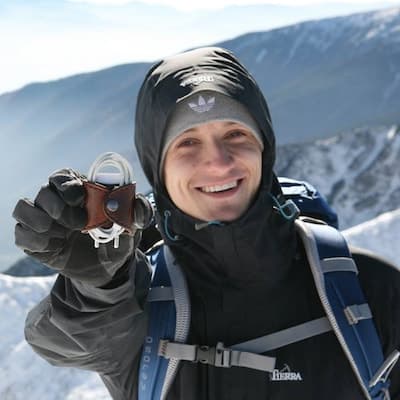
In the summer of 2015 I started out on an amazing journey with my friend Andrei. We decided to dedicate one month to walking the Camino de Santiago. Before we knew it, we had met many wonderful people that would turn out to become some of our closest friends.
History
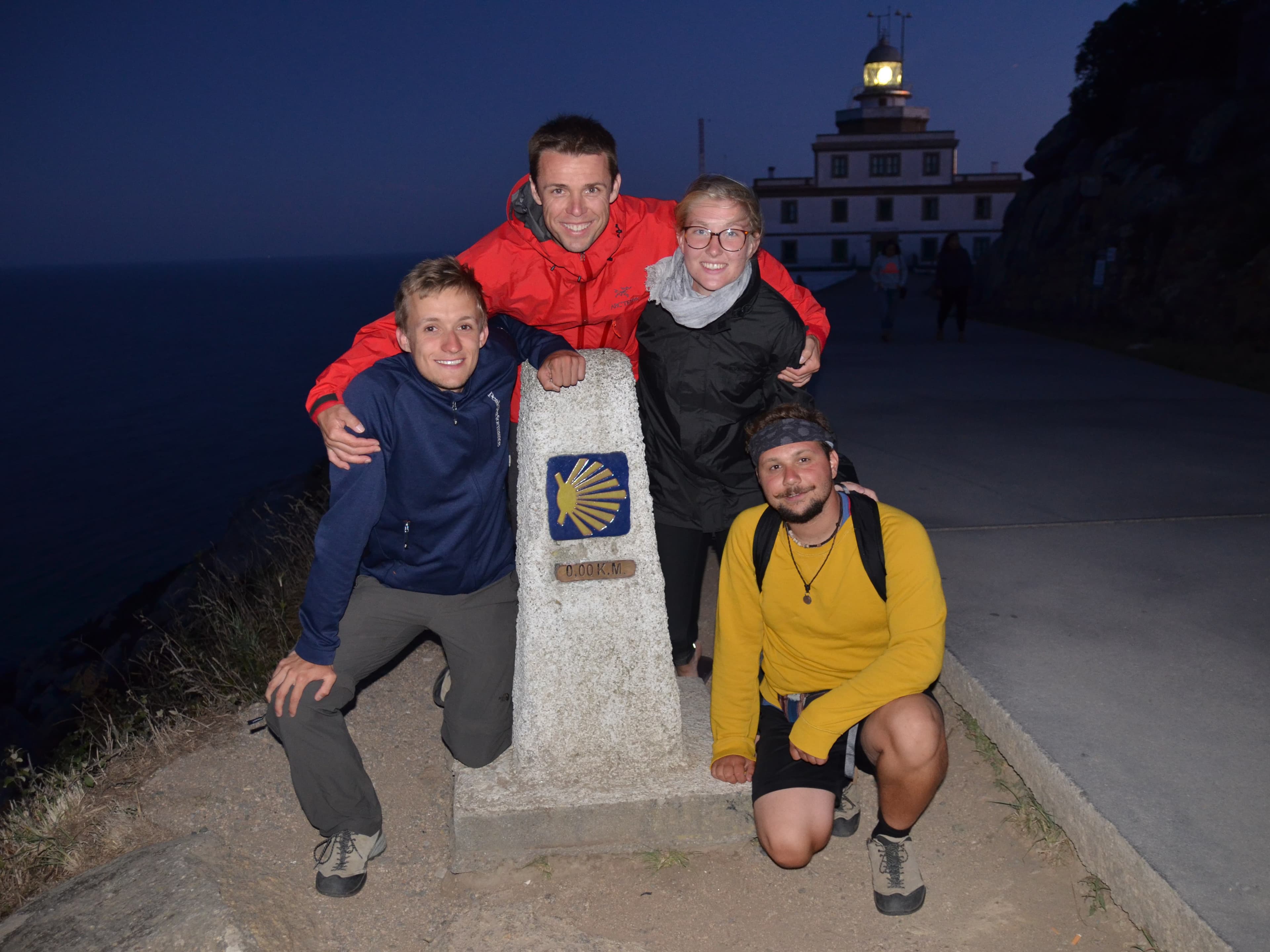
Since the Middle Ages pilgrims have been walking towards Santiago as it is believed that the remains of St. James are buried there; hence the English name St. James's Way. The symbol for the Camino is a scallop shell - in the Middle Ages, bringing back a scallop shell was the proof for having visited the Atlantic Coast. The scallop shell also holds great symbolic power, as the grooves in the shell meet at the same point and thereby symbolizes the joint goal of reaching the shrine in Santiago.
The camino is gaining a lot of popularity in recent times. Today more than 200,000 start the pilgrimage towards Santiago, while only few attempted the same in the 1980s. Since 1987 the Camino de Santiago has been present on UNESCO's list of world heritages sites.
The pilgrimage
We decided to walk Camino Francés (there are many different caminos), which starts in the small French town St. Jean Pied de Port and ends in Santiago de Compostela. The total route amounts to roughly 800 kilometers. We also planned to walk an additional 90 kilometers to the city of Fisterra, which plays a central role in the pilgrimage. In pre-Christian times Fisterra was regarded as the end of the world due to its western location and proximity to the endless Atlantic ocean.
When starting out in St. Jean Pied de Port we received a hiking guide suggesting daily hikes all the way to Santiago. It was suggested to walk an average of 23 kilometers per day and thus reach Santiago in 35 days. The number of kilometers that one is able to walk every day highly depends on the terrain and the weather. We experienced extremes in both ends - walking in 45 ℃ from Pamplona and traversing the steep Pyrenees. It was a great comfort to have the guide at hand for looking ahead while walking, but we didn't strictly follow it. We ended up walking a bit ahead and completed the camino in just 28 days.
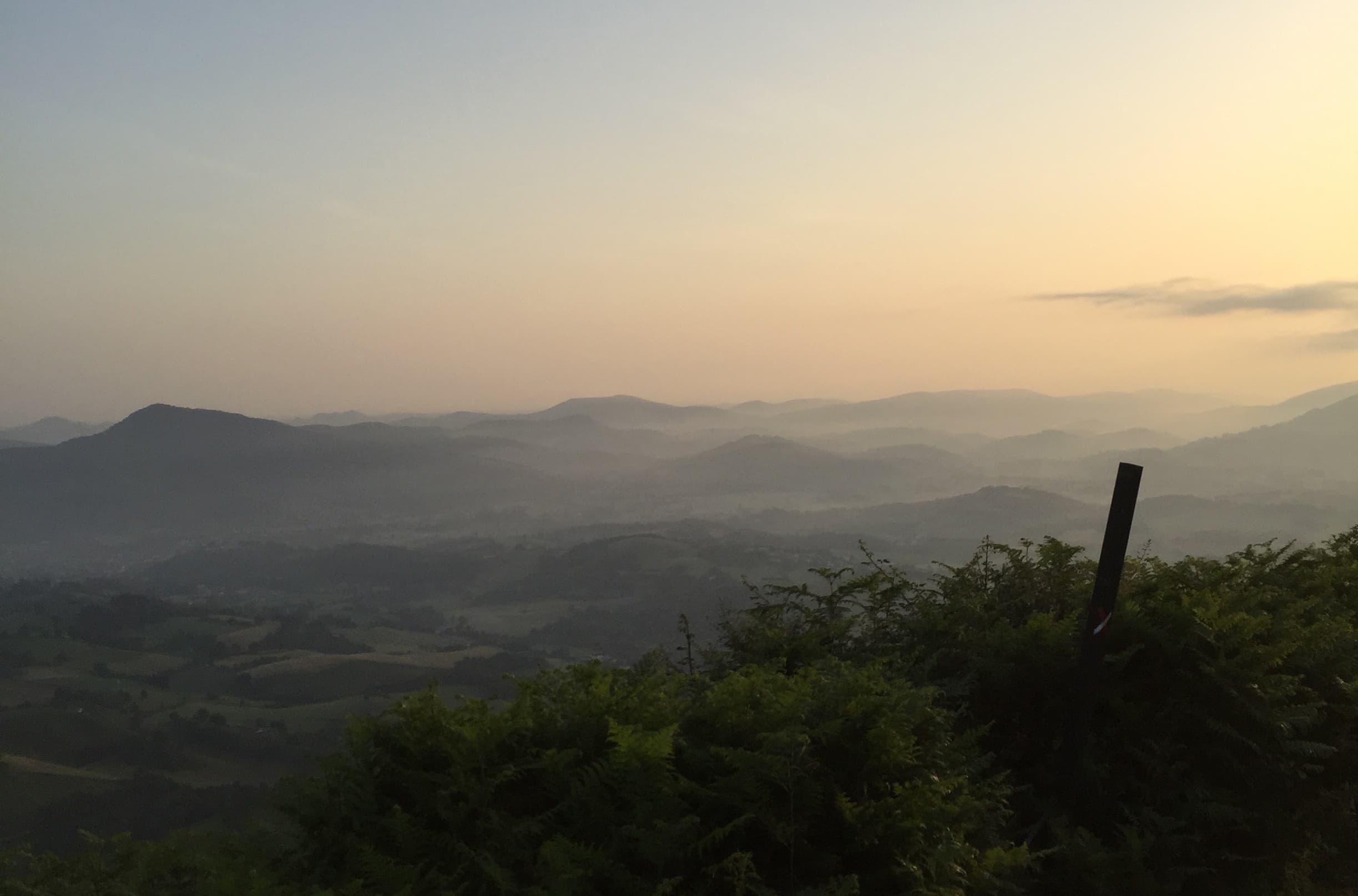
Walking the camino, you are taken from sight to sight. Never once do you have to worry whether you could experience something more elsewhere; the camino is packed with experiences and takes your pass the most adorable villages, magnificent churches and lively town squares. It is therefore recommended to leave behind the tourist mindset and just indulge the camino experiences coming your way.
Accommodation
Throughout the pilgrimage you find plenty of opportunities for accommodation. In most cities, you find hostels that are publicly owned and often a bit cheaper than the private alternatives. Additionally many churches and monasteries along the way open their doors to pilgrims. We found these experiences to be the most memorable and provide the most authentic experiences. The prices range from 5-15 EUR per night (often including a simple meal).
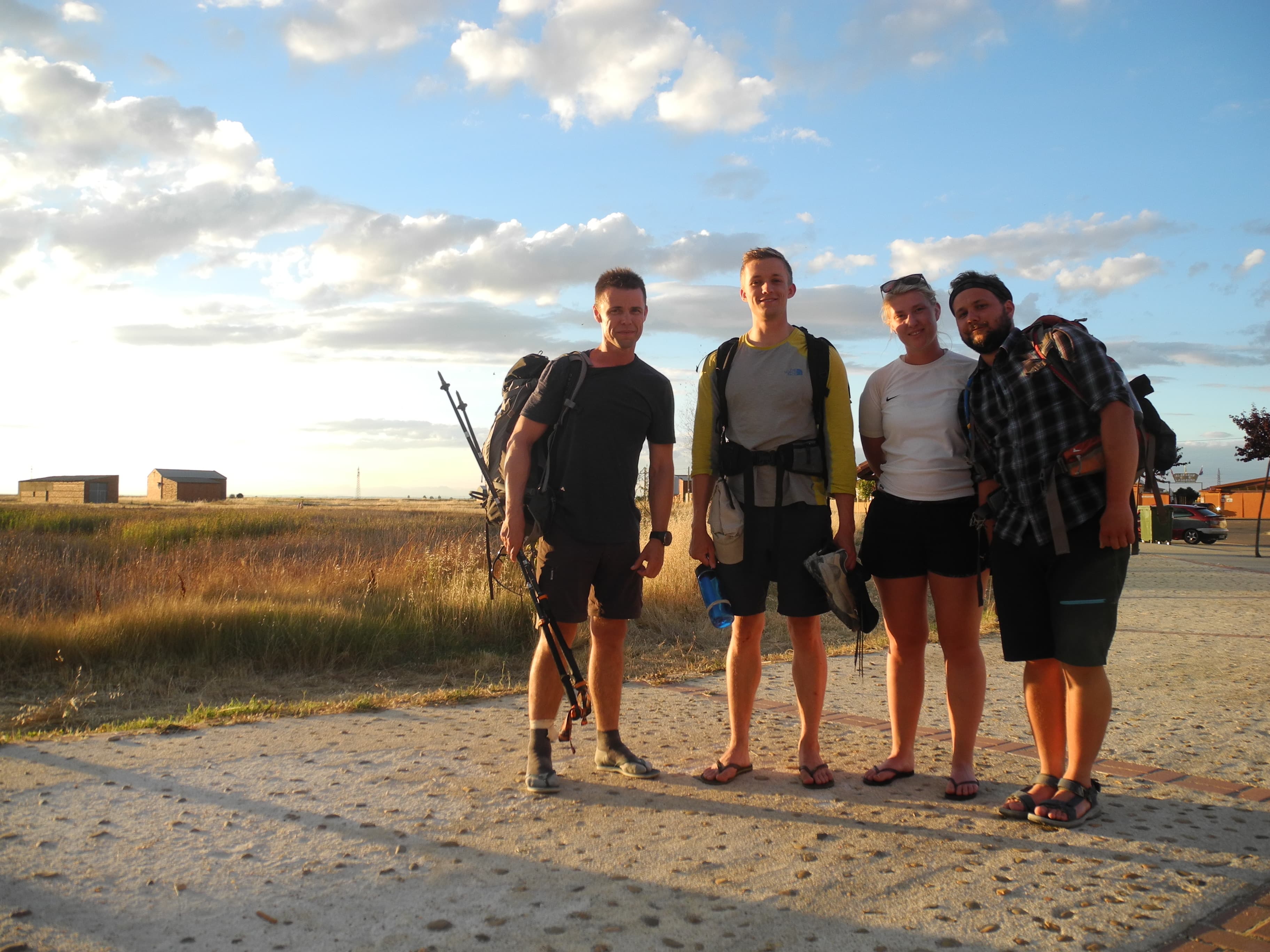
Staying for the night is a wonderful opportunity to get to know the other pilgrims. It was not unusual to sleep 20 people in the same room and engaging in conversations was therefore inevitable. If you desire more comfort, many hostels offer both private and double rooms. Despite it being hard to pick, here are a few suggestions for hostels worth a visit:
- Albergue San Miguel (one day hike from Léon)
- Hospederia San Martín Pinario (ask for a pilgrims room; there is also an ordinary hotel)
People
On the Camino people are everything. The camino is a special journey; the daily grind is left at home, the phone barely has signal and every day passes by in a gentle pace of memorable moments. On top of this, you stay active for the entire day and spend every moment in nature. This, I believe, brings forth the best in people.
The motivations for walking the camino are as manyfold as the number of places on your feet where you can have blisters. Some people have faced a life-changing event at home and seek the contemplation of the open road, while others seek out the physical challenge of walking nonstop for one month. Personally, I saw the camino as an opportunity to do something completely different and spend some quality time with Andrei.
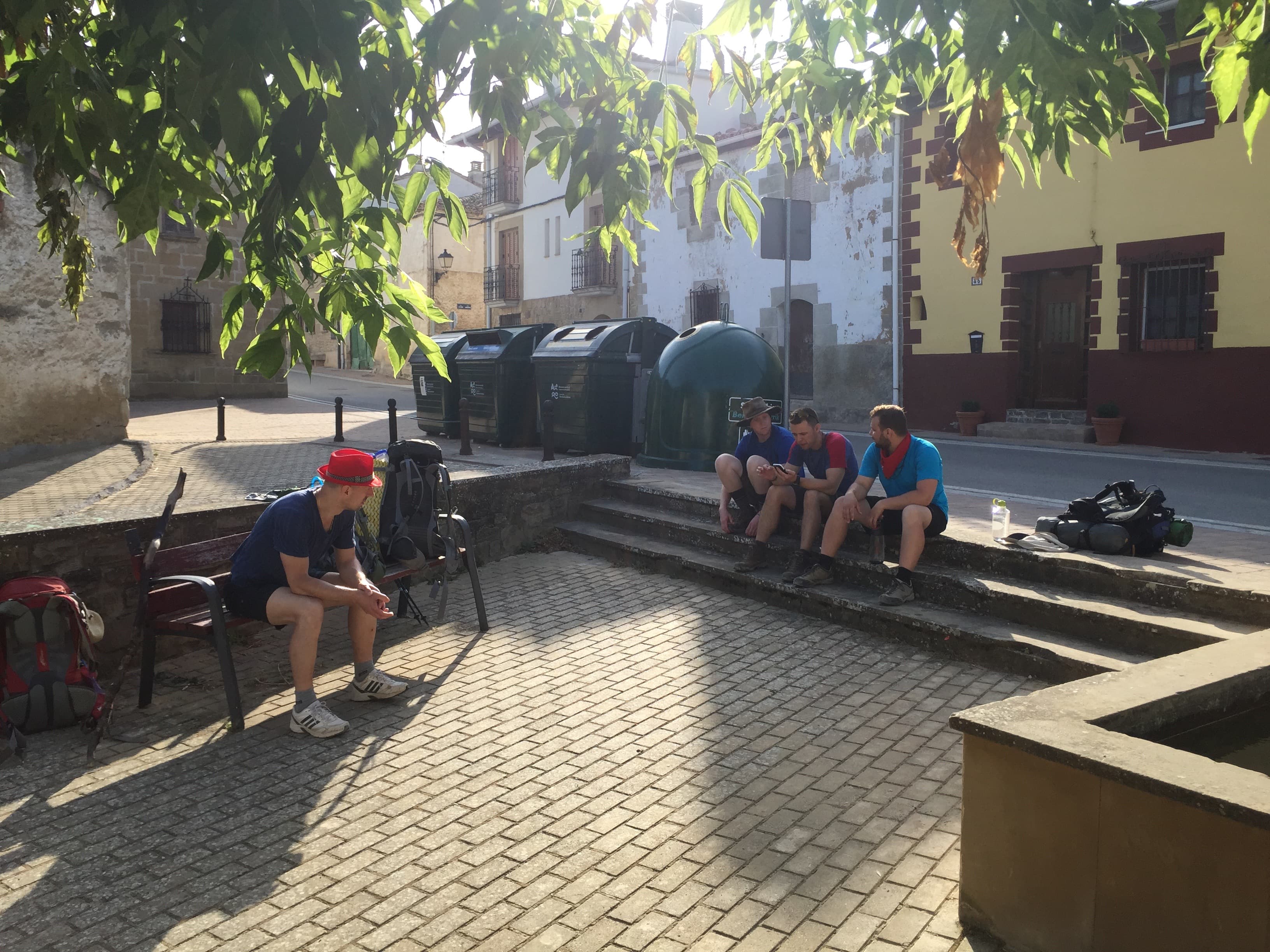
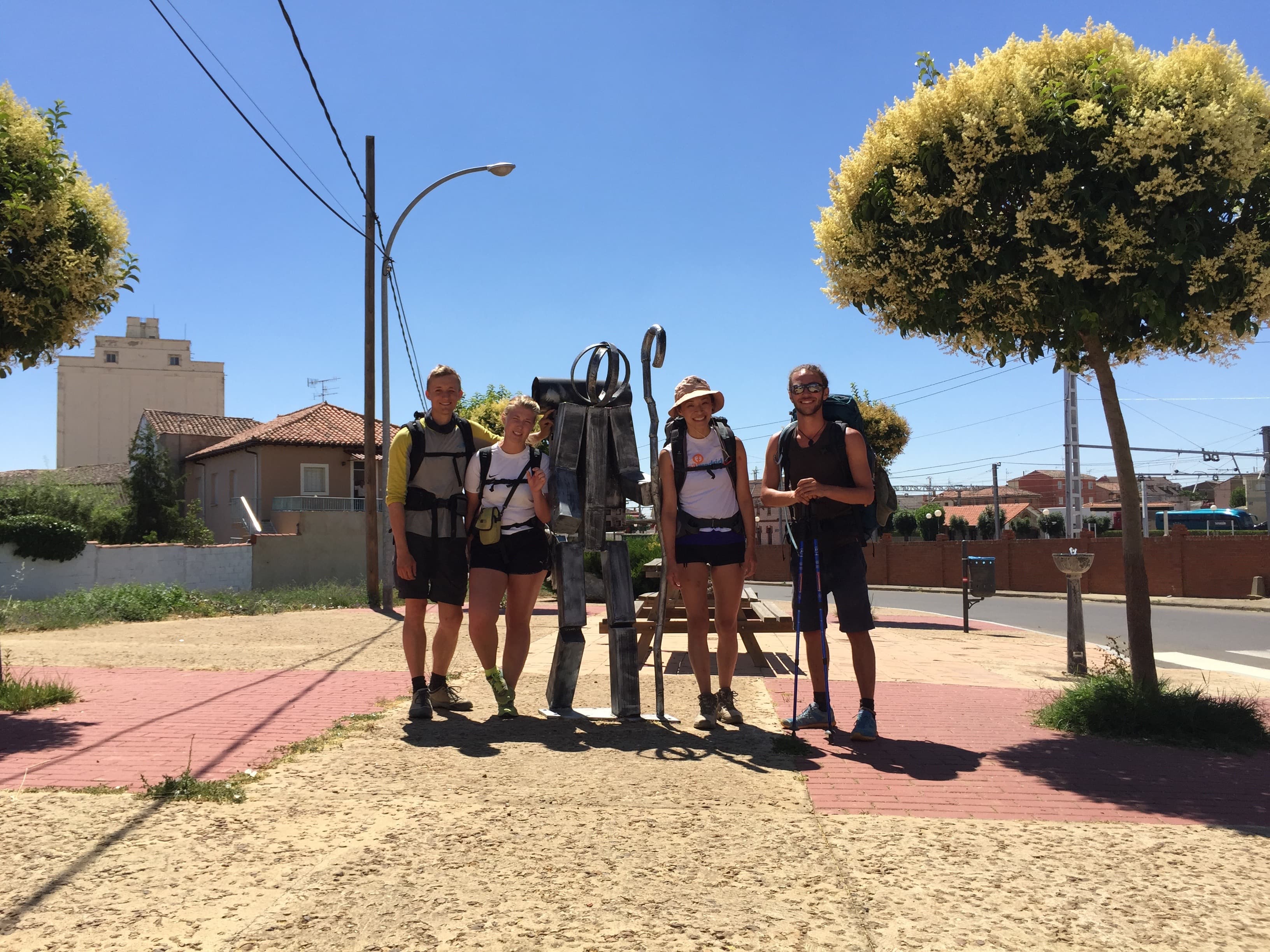
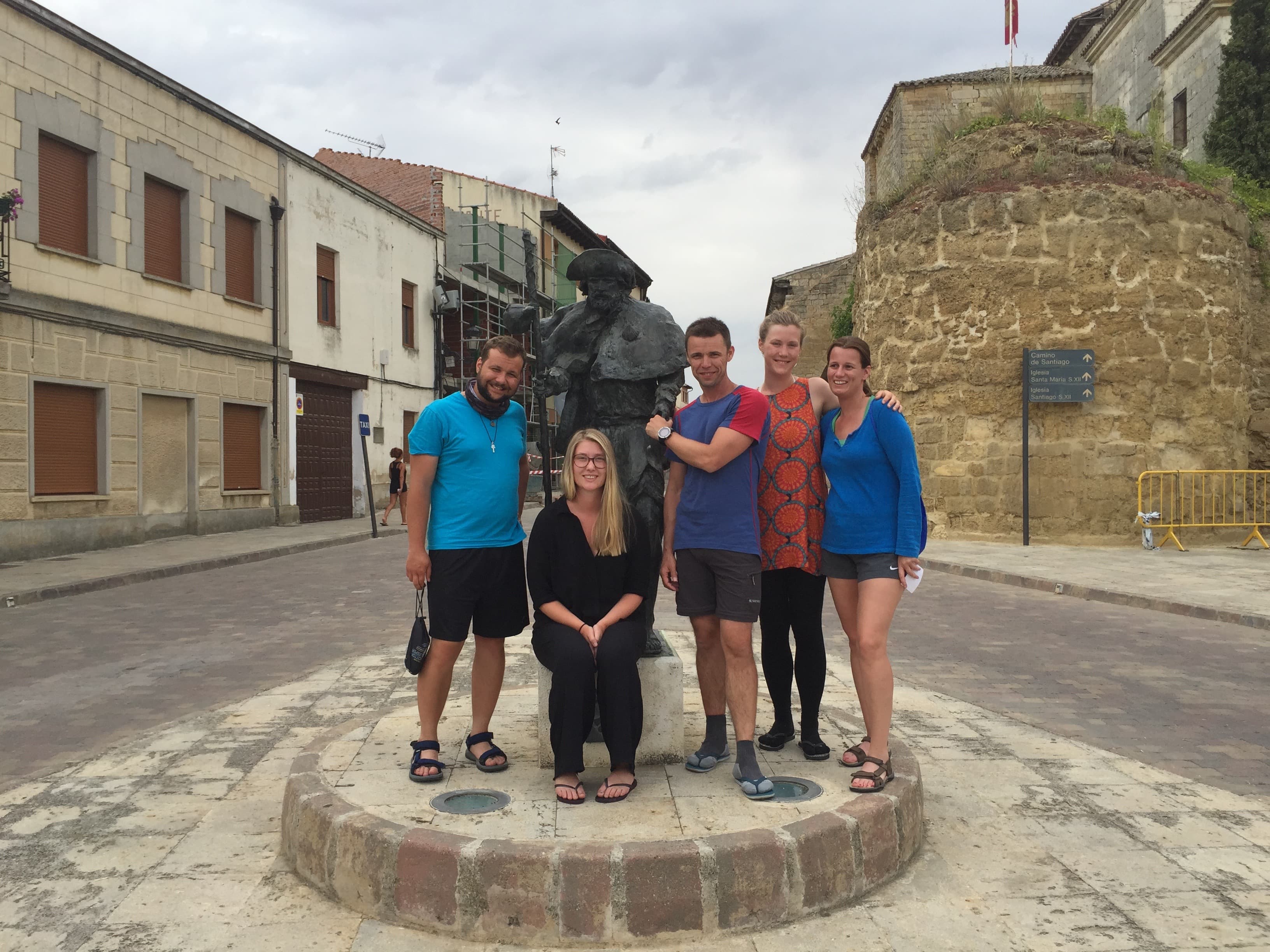
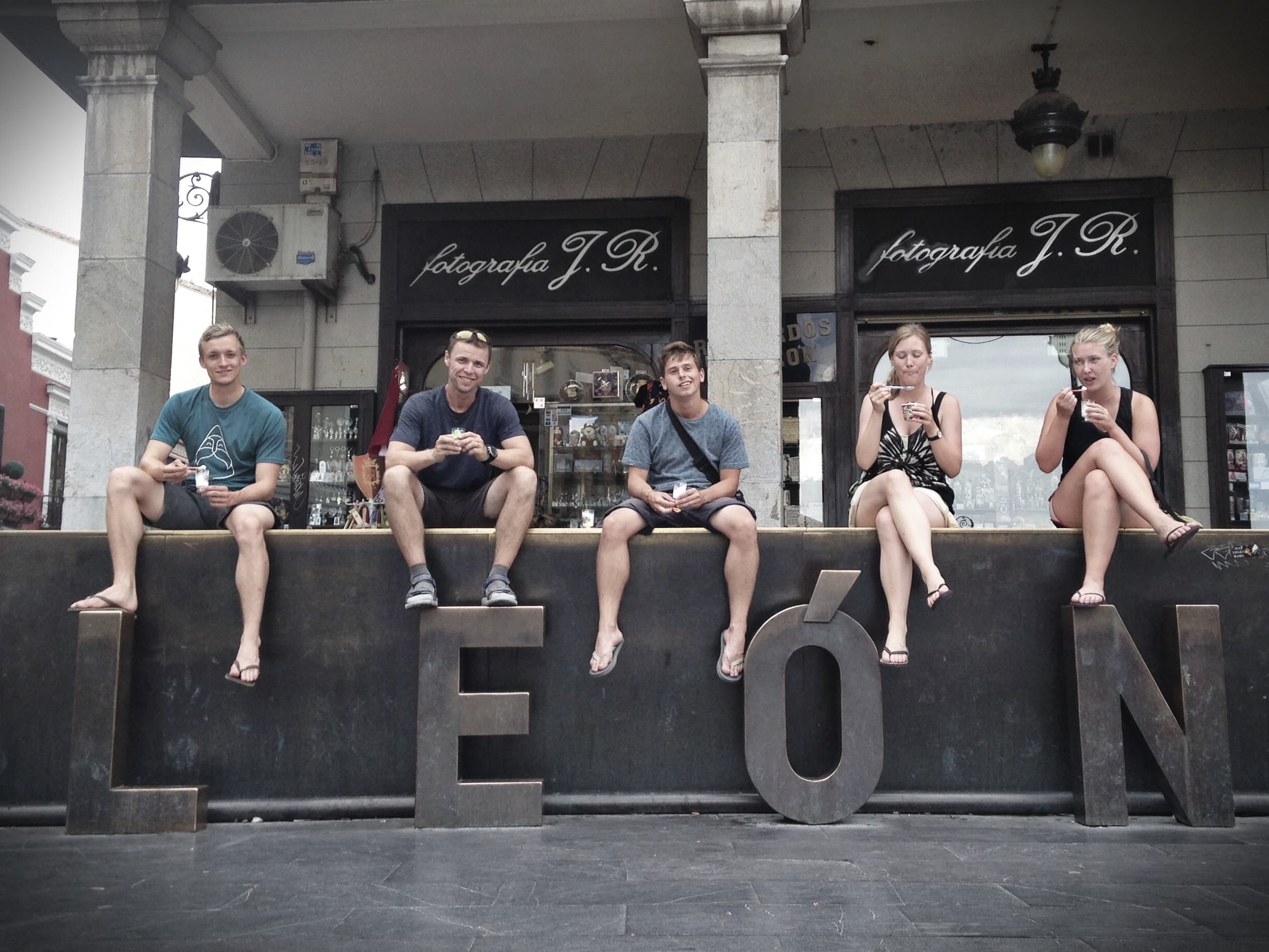
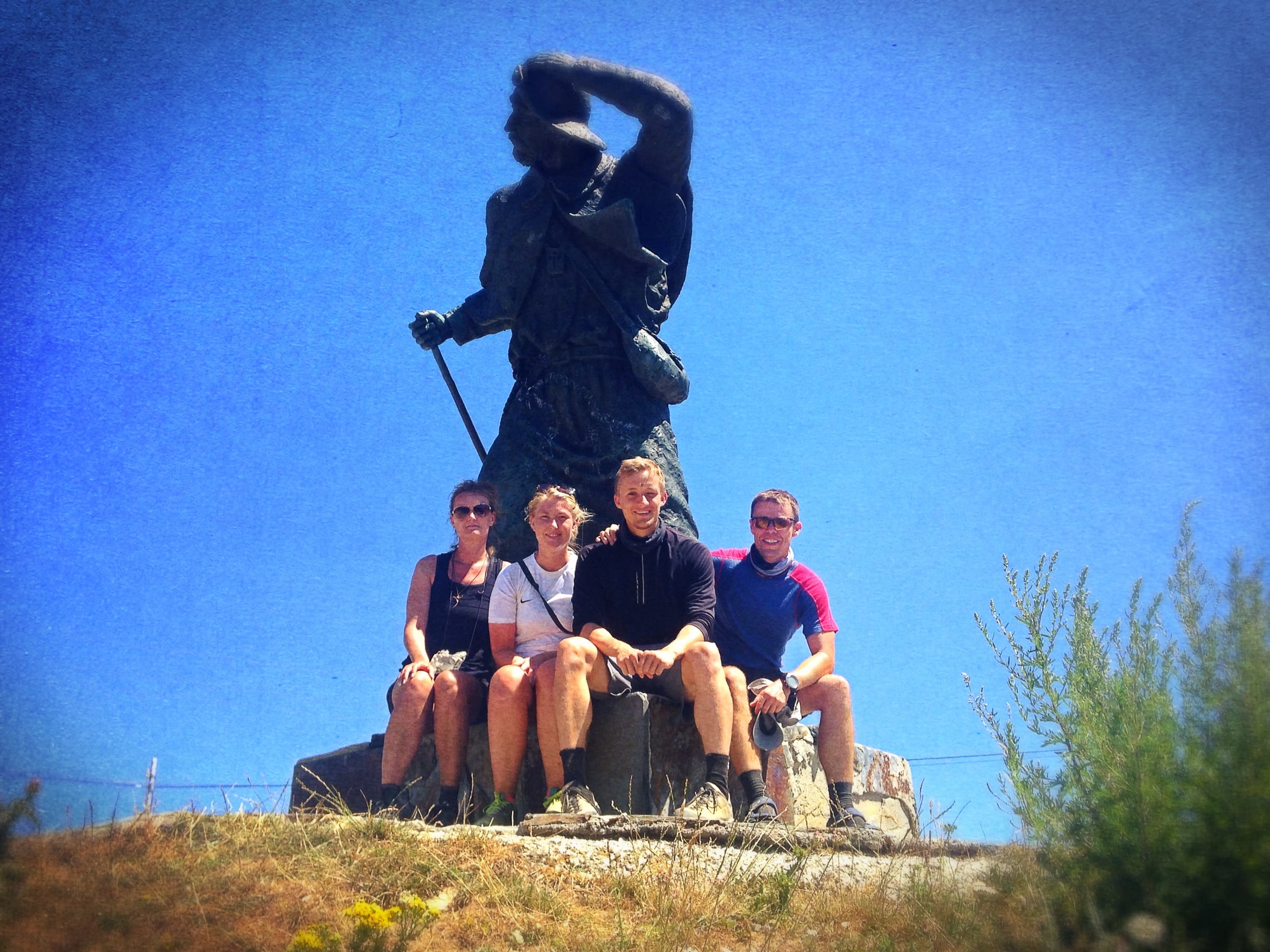
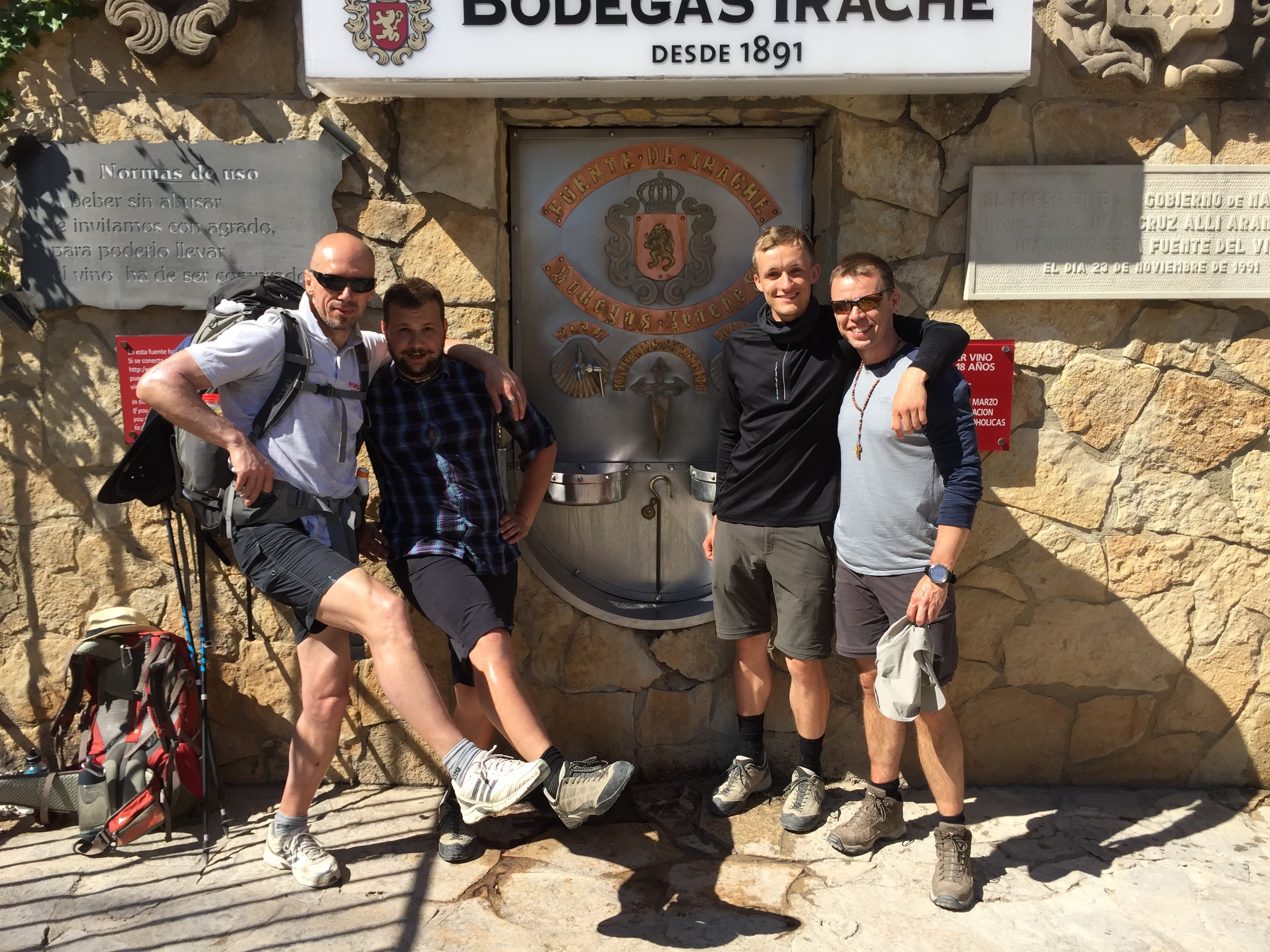
It has been wonderful staying in touch with my friends from the camino. On the camino you meet many other pilgrims every single day and it is impossible to stay in touch with everyone. In the context of our society's constant and pervasive networking (yes, I am guilty), these one-time spontaneous good deeds and great moments hold a lot of beauty - at home, such are unfortunately far too rare. This made a tremendous impression on me and I have tried my best to bring it back home.
Religion
Given the nature of the camino being a pilgrimage, the topic of religion is omnipresent. I started the camino with my rational, Scandinavian, fact-driven mind equipped with a strong denial of transcendent powers. This turned out to give rise to many interesting and intense discussions.
One of my greatest struggles was to understand how one could possibly believe that all the biblical figures and events wasn't just fiction. I quickly realized this emphasis lacked nuance and prevented the discussion to depart any further. I greatly benefited from many long discussions with my dear friend Karel, a strongly devoted Christian fighting for unity through TLIG, who opened my eyes to the symbolic meaning of biblical references. Digging more into religious symbolism I read The Power of Myth by Joseph Campbell - this book is a must read for anyone wanting to nuance their view on religion and was a perfect match for the pilgrimage.
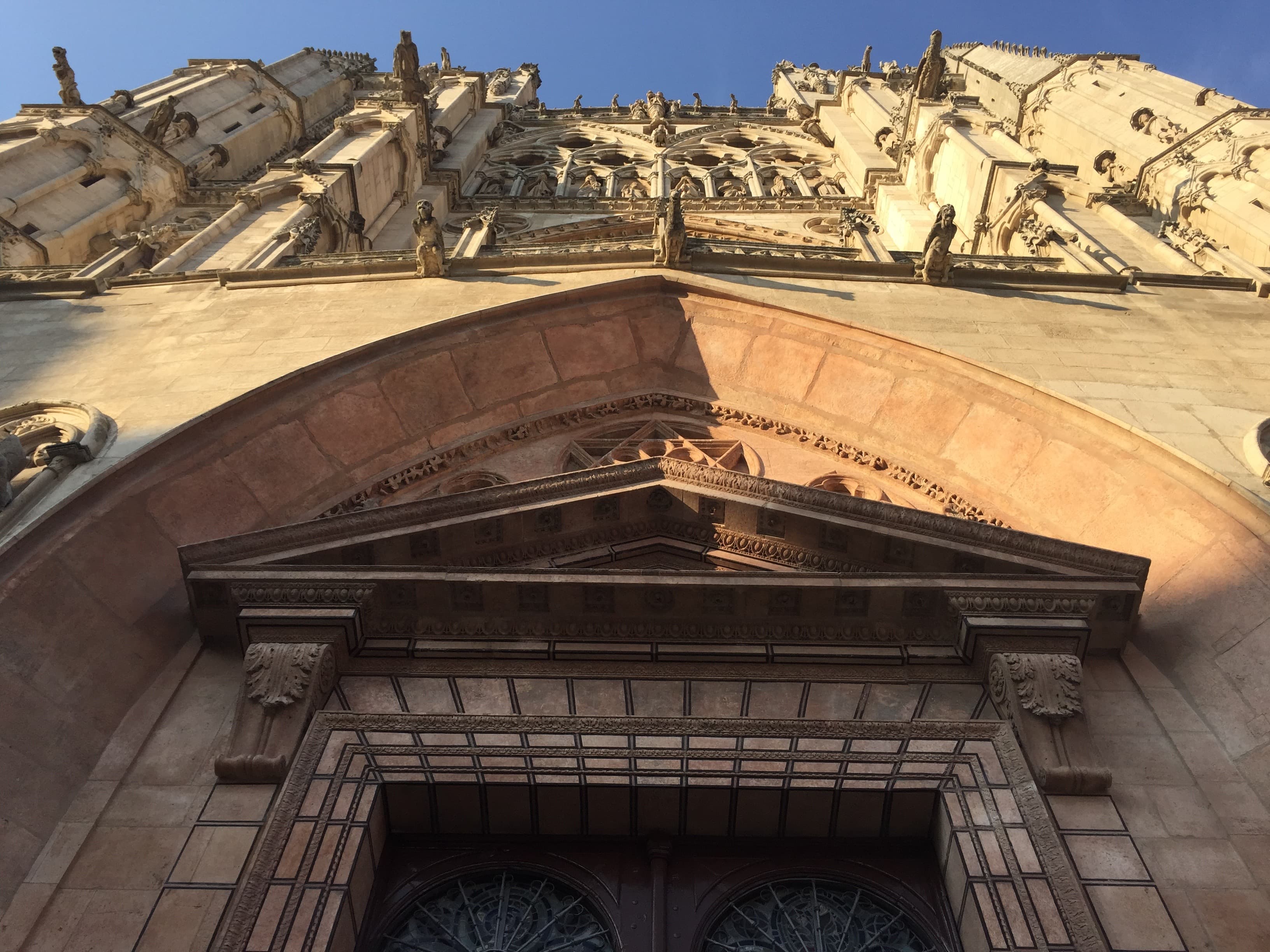
Being more aware of religion than in my daily life, I started noticing the warmth, compassion and brotherhood with which religious people met on the camino. Two people who prior to the meeting had been total strangers suddenly had a strong emotional bond and the same frame of reference. As an atheist, one cannot avoid envying this. In essence, the camino made me aware of the positive aspects of religion. This was achieved mostly by self-discovery fueled by deep conversations with people on the road.
Culinary adventures
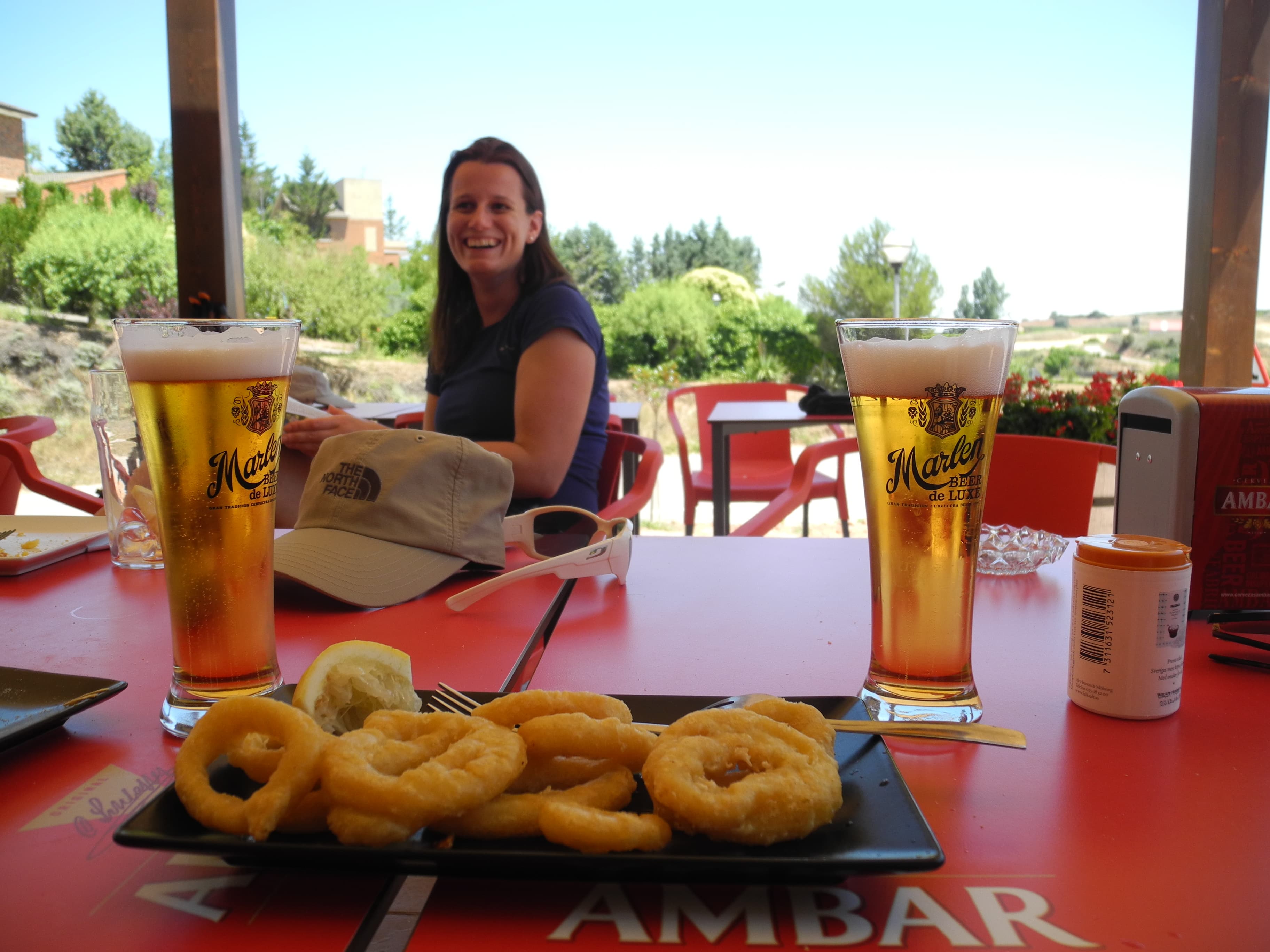
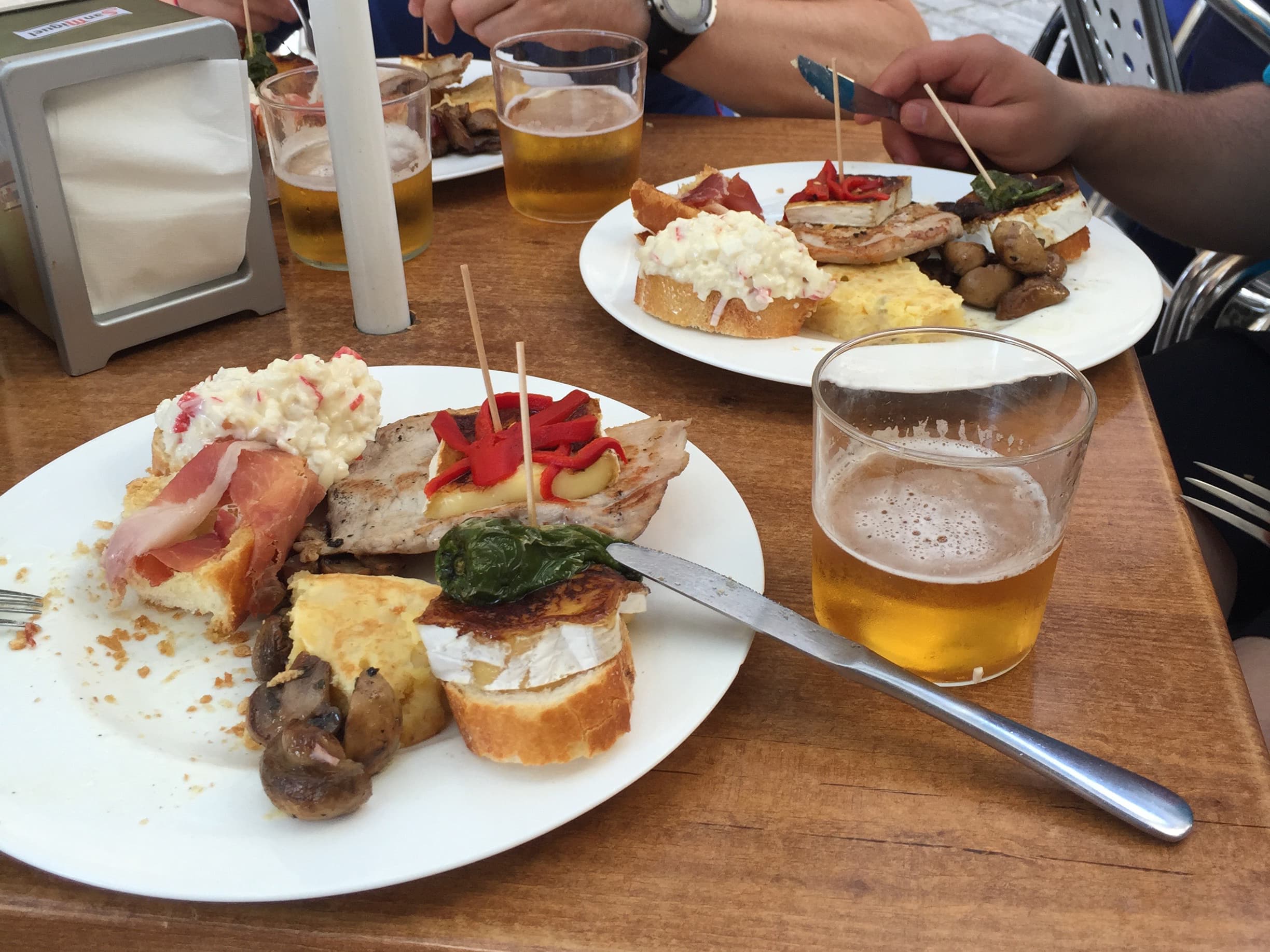
I am admittedly a foodie and the topic of my culinary experiences can therefore not be left out. The Spanish cuisine offers a range of delicious goodies including paella, tortilla, jamón serrano, pulpo, great wine and of course an endless range of tapas.
A typical day started out with a cup of strong coffee and a tortilla sandwich, which was usually offered at almost every restaurant and cafe. When having lunch and dinner many restaurants offered a pilgrims menu consisting of basic and nutritious dishes. This was most often the cheapest alternative at around 10 EUR for two courses and a drink. Due to the constant physical effort, the tastiness of every meal was greatly amplified and made even the smallest bite a memorable moment.
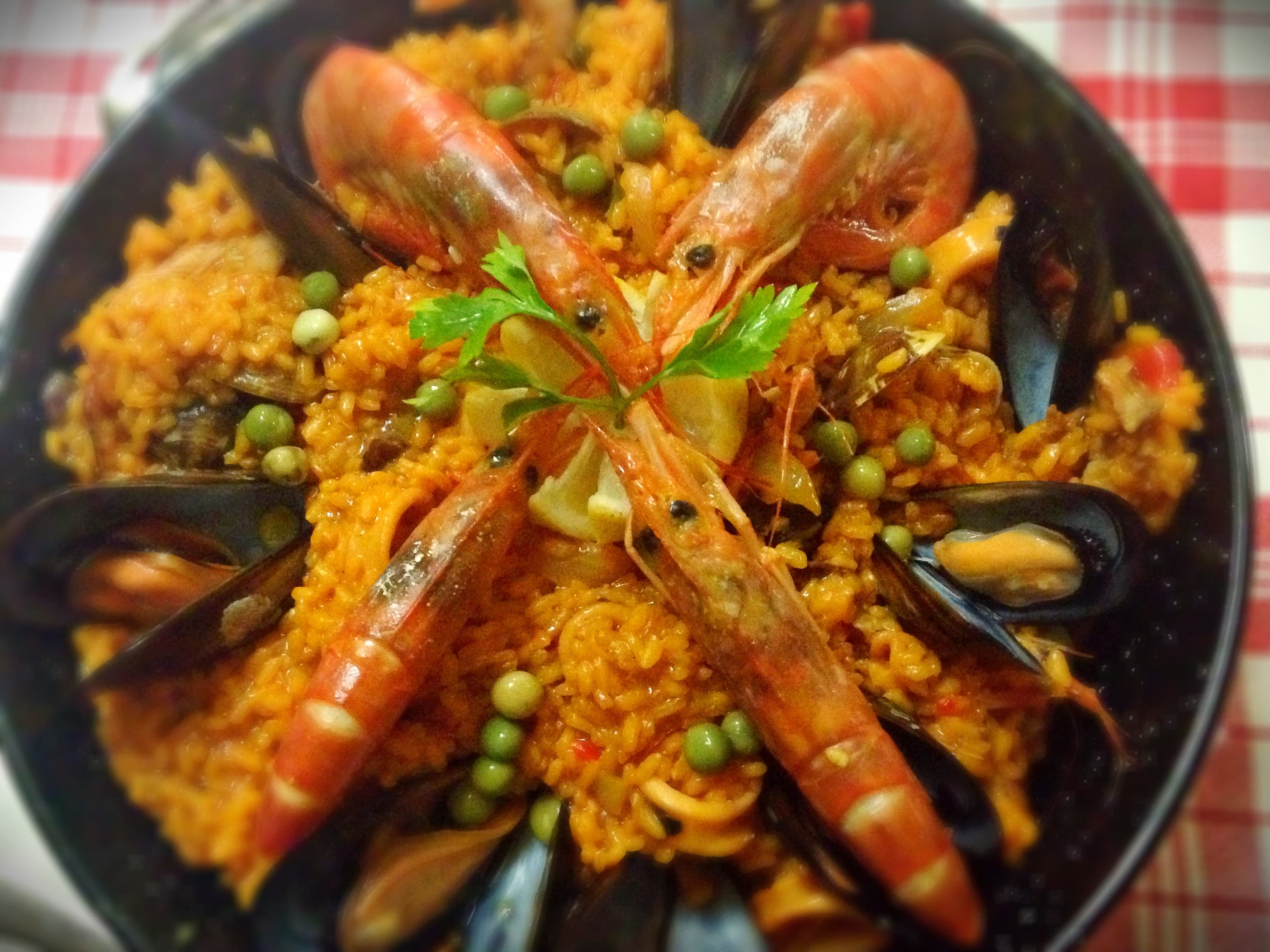
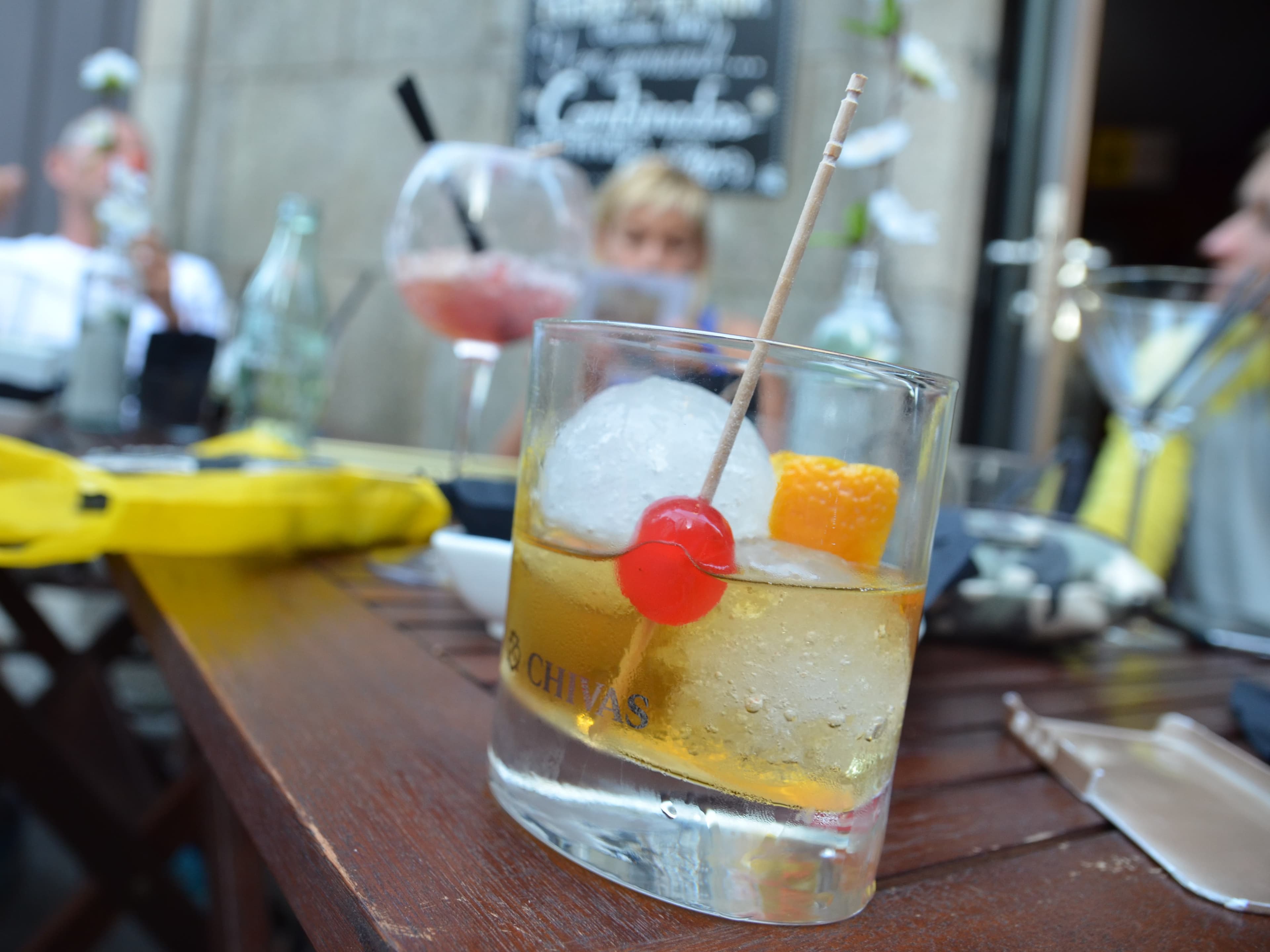
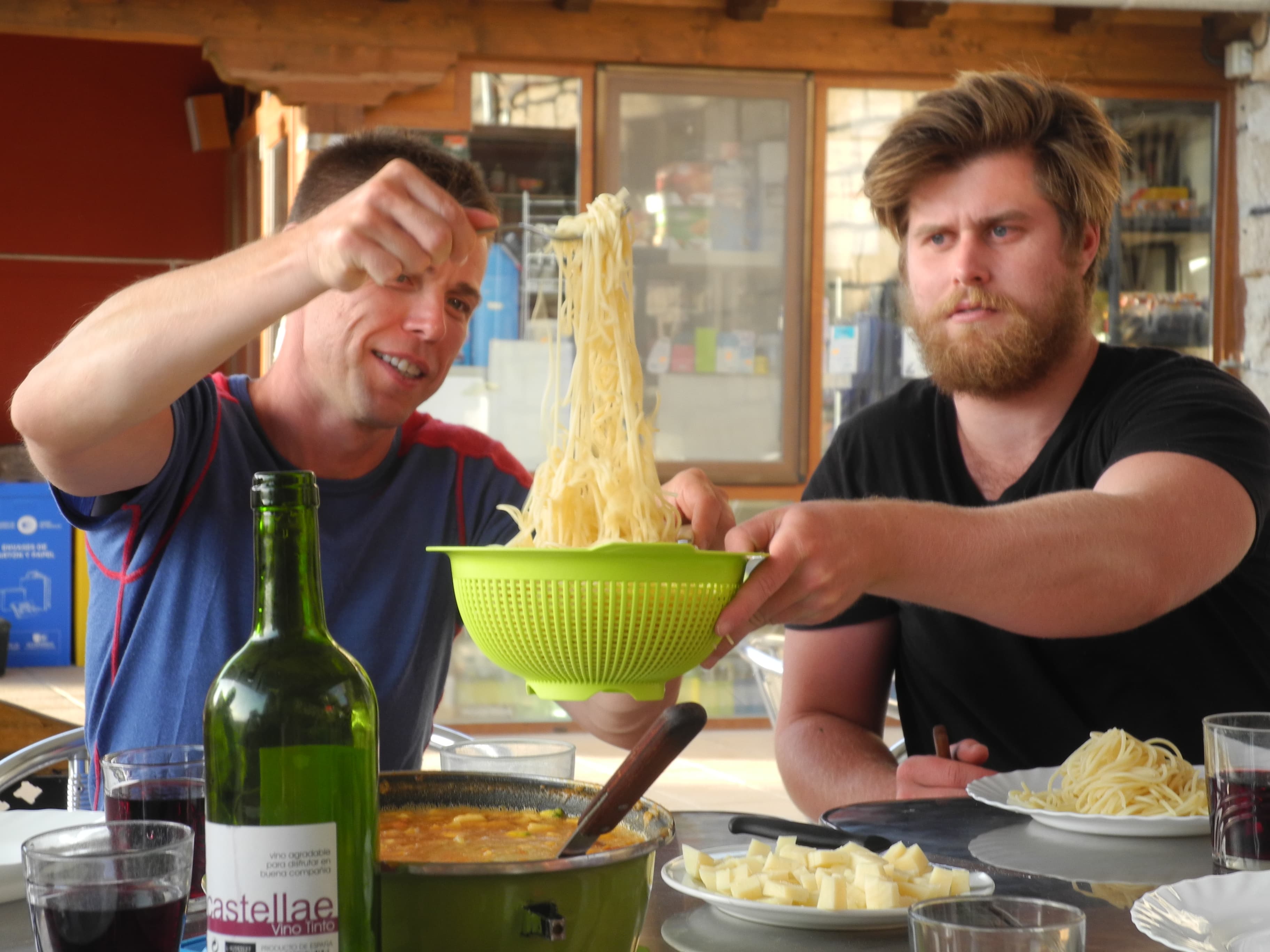
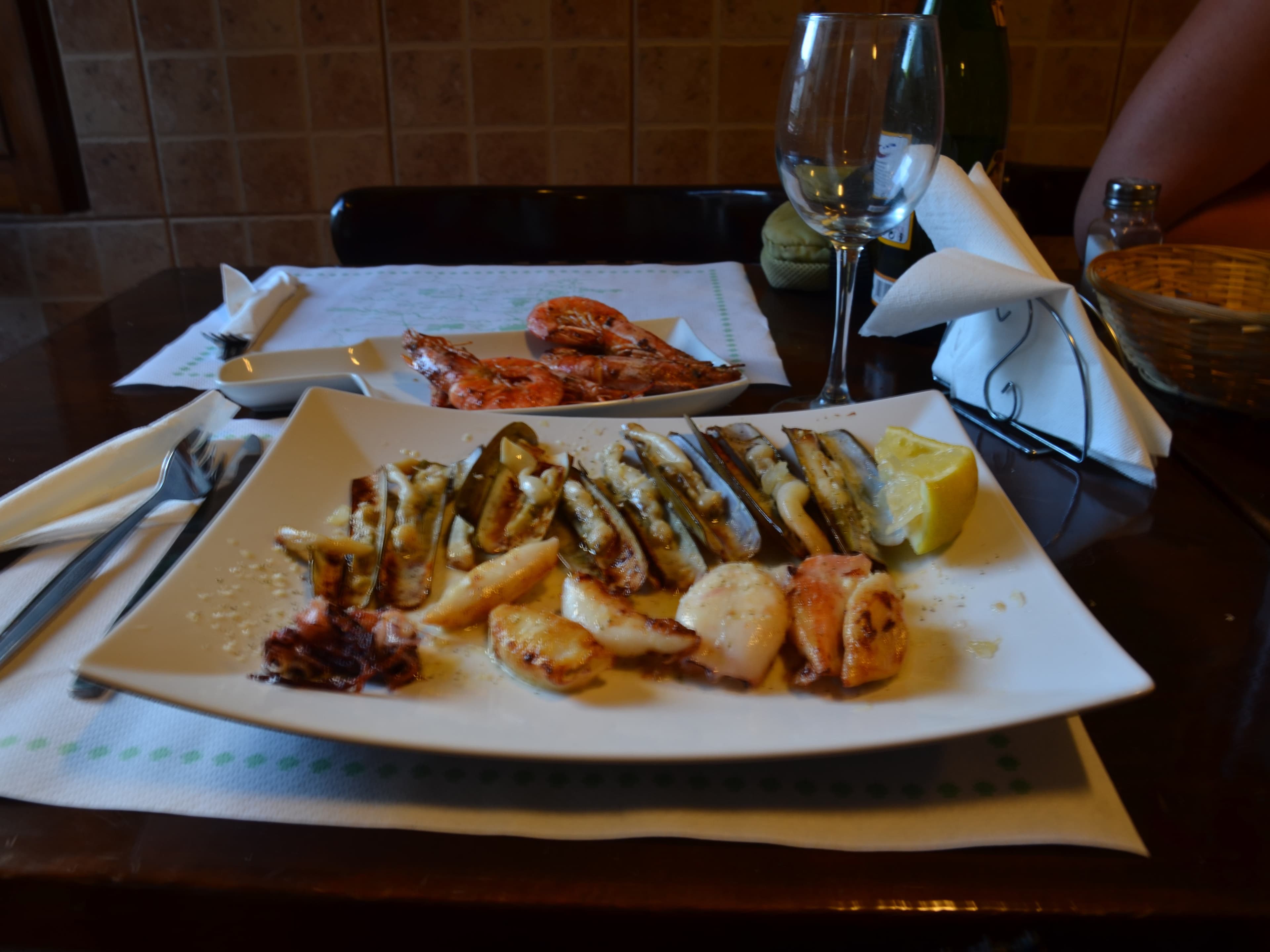
At many hostels there kitchen facilities were available. Some pilgrims cook for themselves every single day, which is the cheapest way of getting by. We cooked 4-5 times in total; when arriving late in the afternoon we sought the comfort of having our meals prepared.
Looking back
It is impossible to conclude and make a final remark about my experiences on the camino. I can however only say that I believe everyone should give it a go. The only prerequisite for being generously rewarded when walking the camino is having an open mind. To me the camino marked a period of change in my life; I believe the pace of walking and the long hours on the road gave rise to being brutally responsive and honest to myself.
Tie your shoes and get on the road.